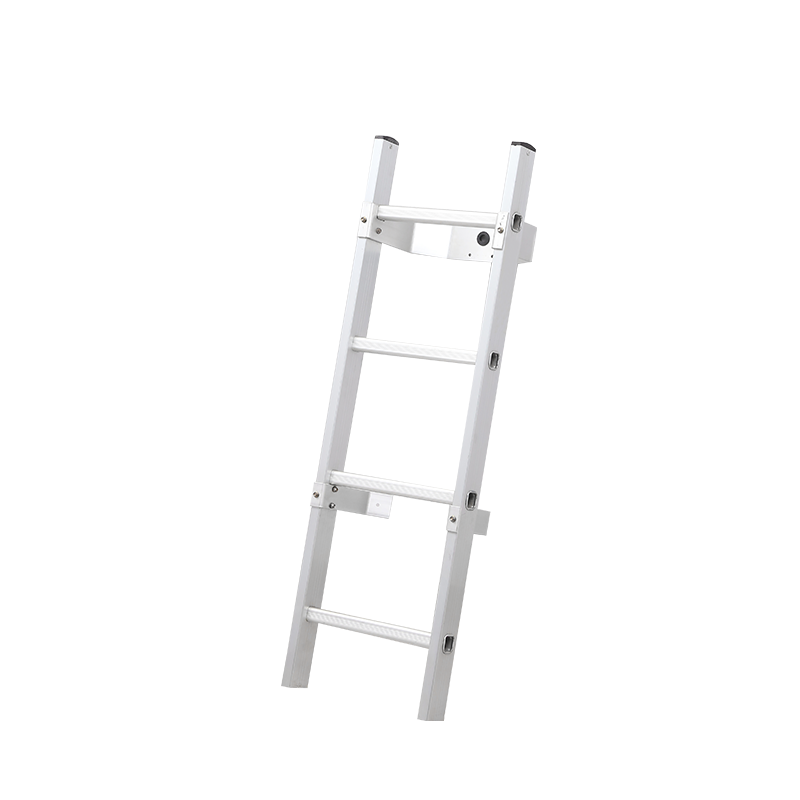
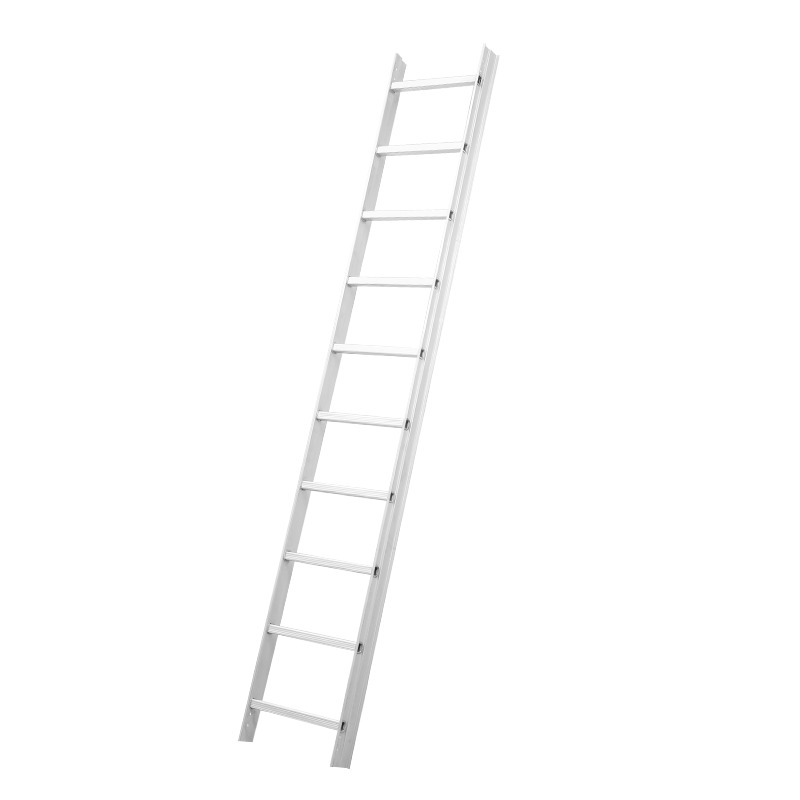
For waterfront property owners, marina operators, and recreational boaters, a simple yet critical piece of equipment provides a vital link between the water and the stability of a dock or platform: the swim dock ladder. This essential accessory, often attached to the edge of a stationary dock, floating swim platform, or the stern of a larger vessel, serves the fundamental purpose of allowing safe and easy entry and exit from the water. Far from being an afterthought, the modern swim dock ladder is a product of thoughtful design, balancing durability, user safety, and adaptability to various aquatic environments.
The primary function of a swim dock ladder is to offer a secure and stable means of transitioning in and out of the water. This is especially important for swimmers of varying ages and abilities, for children, or for individuals wearing gear. A well-designed swim dock ladder typically features wide, flat steps or rungs that provide comfortable and sure footing, even when wet. The steps are often made from materials that resist becoming slippery with algae growth. The ladder's design must account for the dynamic nature of water; on a floating dock, it needs to pivot or adjust to changing water levels and wave action, maintaining its position relative to the dock while offering a consistent entry point from the water below.
Material selection is crucial for the longevity and safety of a swim dock ladder. Given constant immersion in fresh or saltwater, materials must exhibit outstanding corrosion resistance. Marine-grade aluminum, with its combination of light weight and inherent resistance to rust, is a popular choice. Stainless steel, particularly grades like 316, is another common and robust material, prized for its strength and durability in harsh marine environments. The steps or rungs are often coated with a textured, non-skid surface for added grip. Plastic or composite materials are also used for certain components, offering further resistance to corrosion and UV degradation from constant sun exposure.
Safety features are integral to the design of a contemporary swim dock ladder. Many models extend a sufficient depth below the water's surface to allow for easy foot placement when climbing out. Handrails that extend above the dock surface provide crucial upper-body support for pulling oneself up. For installations where the gap between the ladder and the dock structure could pose a pinching hazard or where small children are present, models with enclosed steps or side barriers are available. Furthermore, secure and robust mounting hardware is essential; the swim dock ladder must be firmly attached to withstand the forces exerted by users and the motion of the water without loosening or failing.
Innovation in swim dock ladder design continues to focus on improved materials, ergonomics, and modularity. Advances in composite materials promise even greater durability with less weight. Ergonomic designs that are easier for users with limited mobility to use are gaining attention. Modular systems that allow for the addition of handhold extensions or adjustable step configurations could offer greater customization. The core objective remains unchanged: to provide a reliable, safe, and user-friendly portal between the aquatic and terrestrial worlds, ensuring that time spent in and around the water is both enjoyable and secure. As such, the humble swim dock ladder remains an unsung hero of waterfront safety and convenience.

 Need Any Us Help?

+86-18657955841
+86-13095886288

+86-0579-87775595


Sihou Village, Lvtan Town, Wuyi, Zhejiang, China
Copyright © 2023 Wuyi Dexin Industry & Trade Co., Ltd. All Rights Reserved.



 English
 中文简体
中文简体 Deutsch