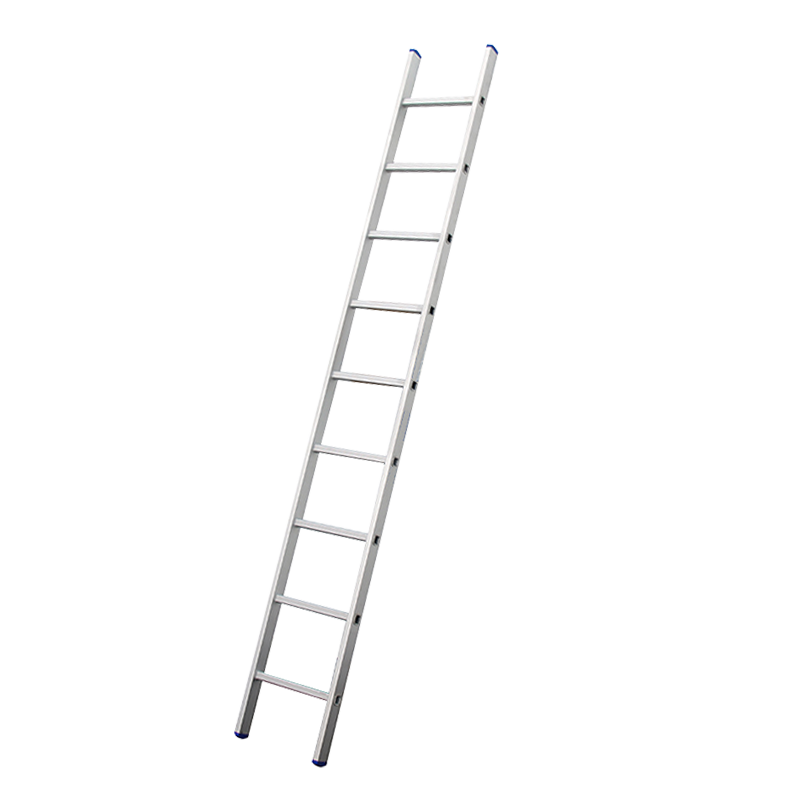
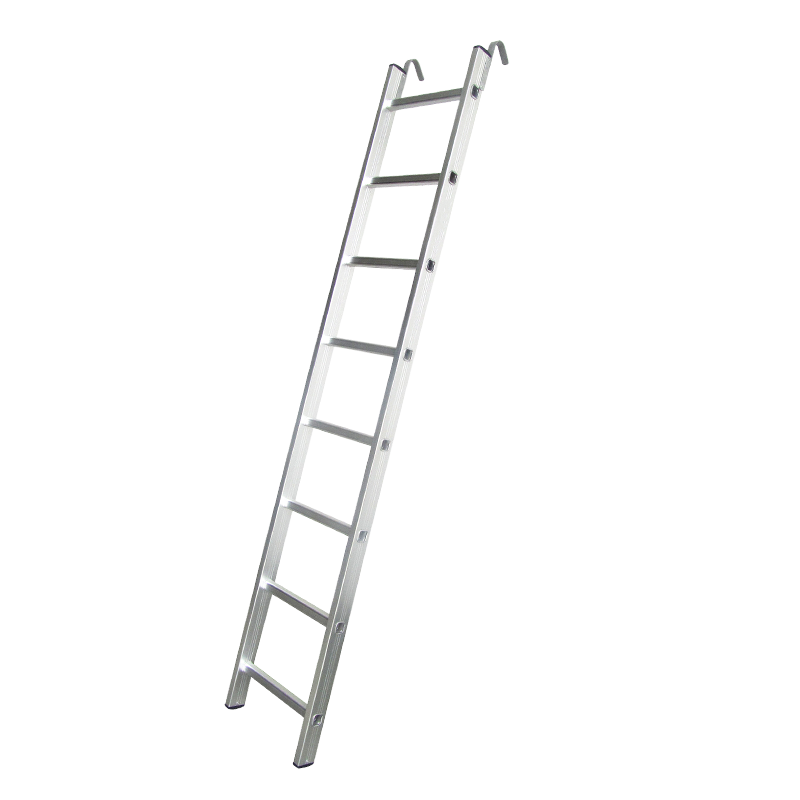
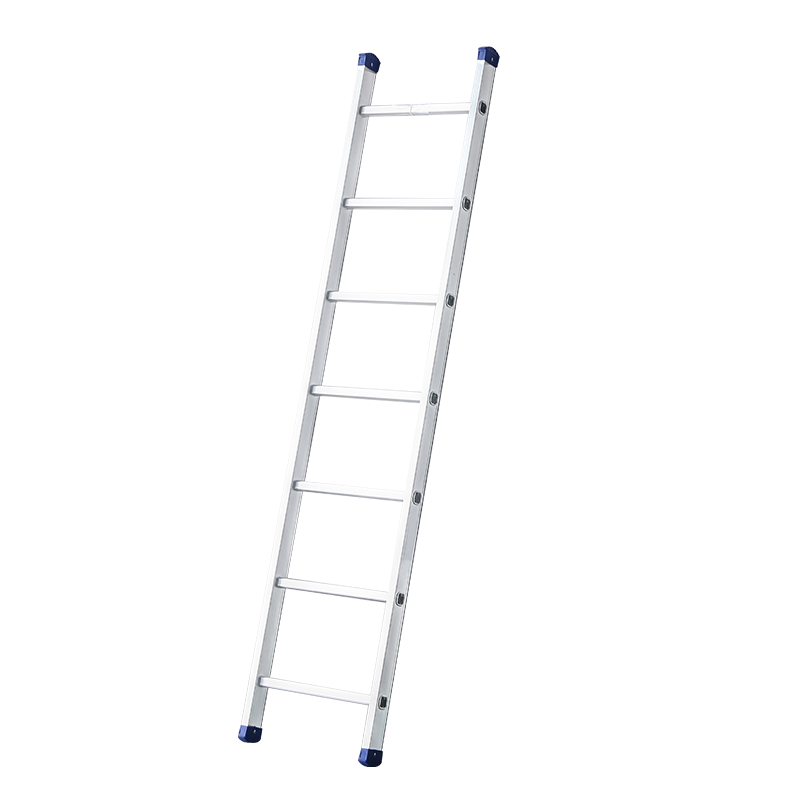
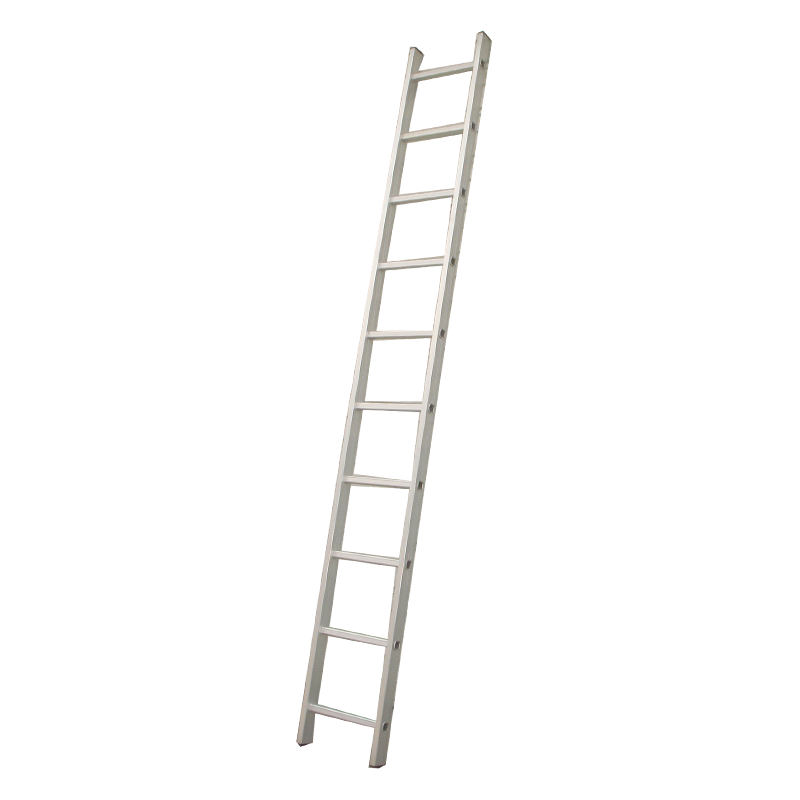
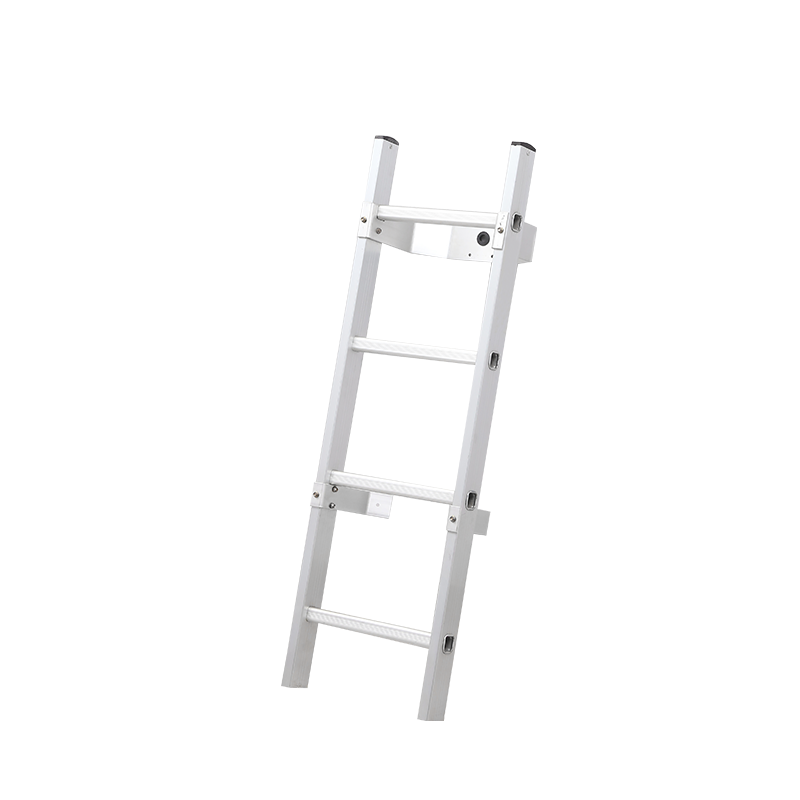
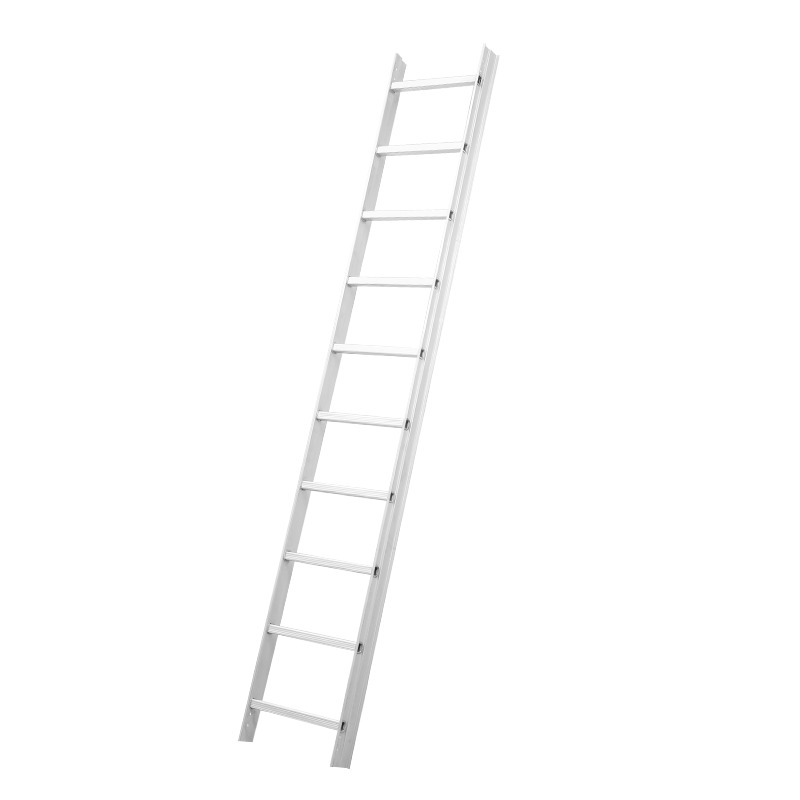
In homes, workshops, and commercial spaces worldwide, a familiar tool provides essential access to heights just out of reach: the aluminum step ladder. This versatile piece of equipment, characterized by its self-supporting A-frame design and lightweight metallic construction, has become a ubiquitous fixture for a vast array of tasks. Its evolution from a basic utility item to a carefully engineered product reflects a focus on user safety, portability, and durable performance in diverse settings.
The fundamental appeal of the aluminum step ladder lies in its advantageous material properties. Aluminum offers an exceptional strength-to-weight ratio, making the ladder easy for individuals to carry, reposition, and store. Unlike wood, aluminum does not warp, rot, or splinter, and it provides reliable resistance to corrosion under normal environmental conditions, contributing to a long service life. The typical step ladder design, with its hinged frame and broad, flat steps, provides a stable, freestanding platform without the need to lean against a wall, making it uniquely suitable for tasks in the center of a room or in front of shelves and cabinets.
Modern design and manufacturing have significantly enhanced the safety features of the aluminum step ladder. Many models now incorporate textured or serrated steps to provide secure footing, even when wet. Reinforced bracing between the front and rear rails adds torsional rigidity, reducing sway when a user is climbing. A pivotal safety component is the spreader bar mechanism, which automatically locks the front and rear sections securely in the open position and prevents accidental folding during use. Furthermore, top caps are often designed as a stable tool tray, and some ladders feature pail shelves or handrails on higher models to improve user stability and convenience.
The application range for an aluminum step ladder is remarkably broad, underlining its status as a general-purpose tool. In domestic settings, it is indispensable for changing light bulbs, accessing high storage, painting walls, or cleaning gutters. In retail and warehouse environments, staff use aluminum step ladders for stocking shelves and inventory management. Libraries, offices, and schools rely on them for maintenance and accessing files. The aluminum step ladder also serves tradespeople such as electricians and painters as a quick-access platform for low-height tasks, complementing larger extension ladders.
Portability remains a key driver of the aluminum step ladder's popularity. Its lightweight nature allows for easy transport from a storage closet to the point of use, encouraging proper storage and care. Many models are designed with this in mind, featuring folded profiles that can fit into car trunks or narrow storage spaces. This ease of handling reduces user fatigue and increases the likelihood that the correct equipment will be used for a job, as opposed to risky improvisation on chairs or unstable surfaces.
Innovation in the aluminum step ladder category continues to focus on ergonomics and specialized functionality. Developments include wider steps for increased comfort during prolonged standing, improved locking mechanisms for even smoother operation, and the integration of non-conductive materials on the top caps or steps for specific electrical safety applications. As a fundamental tool that bridges the gap between the floor and the overhead world, the aluminum step ladder endures as a testament to practical design, proving that through thoughtful engineering, everyday tasks can be performed with greater confidence, efficiency, and safety.

 Need Any Us Help?

+86-18657955841
+86-13095886288

+86-0579-87775595


Sihou Village, Lvtan Town, Wuyi, Zhejiang, China
Copyright © 2023 Wuyi Dexin Industry & Trade Co., Ltd. All Rights Reserved.



 English
 中文简体
中文简体 Deutsch