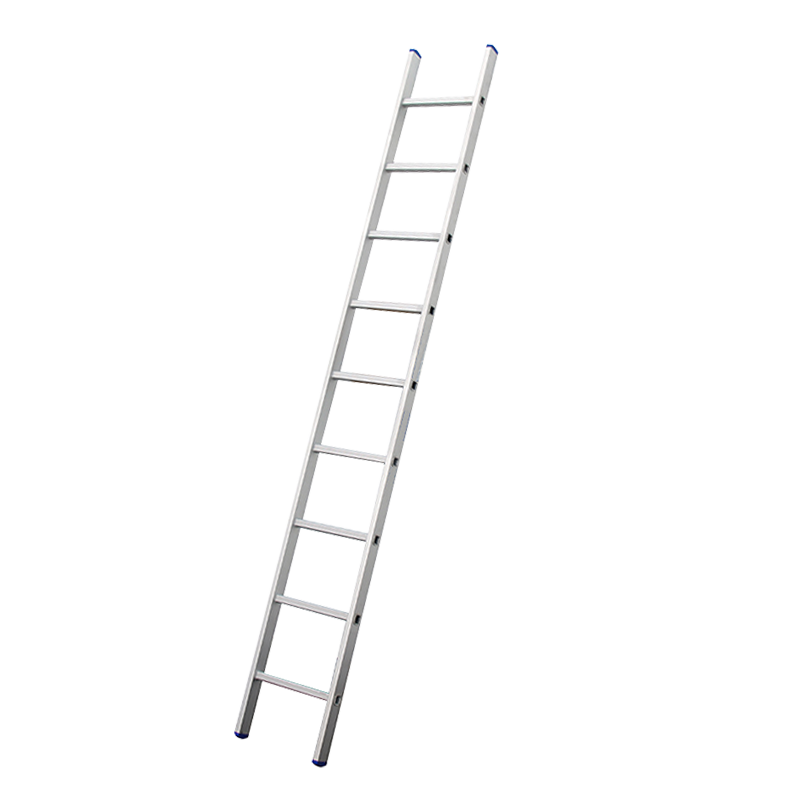
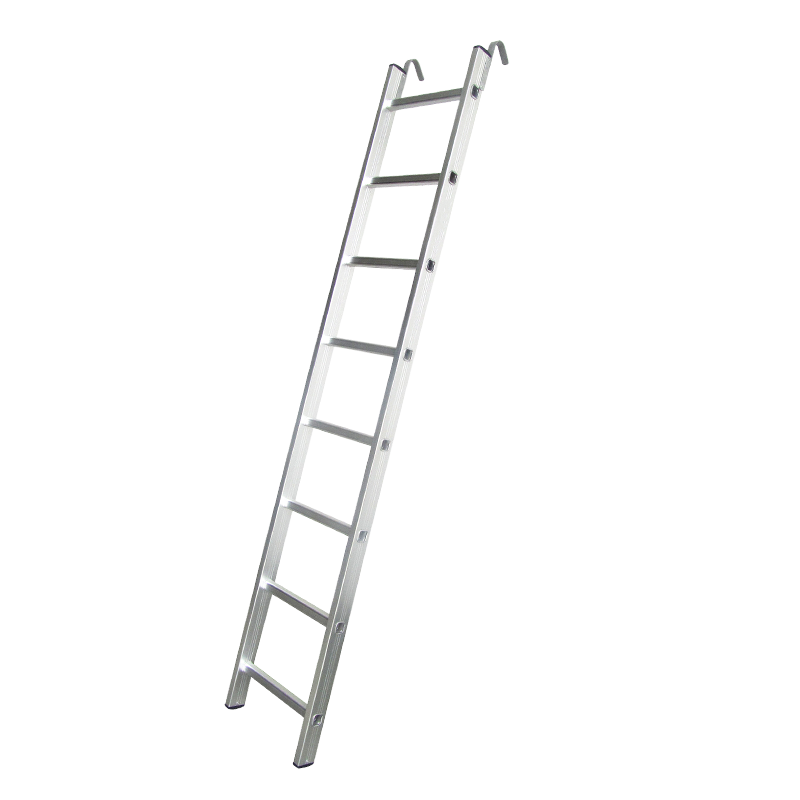
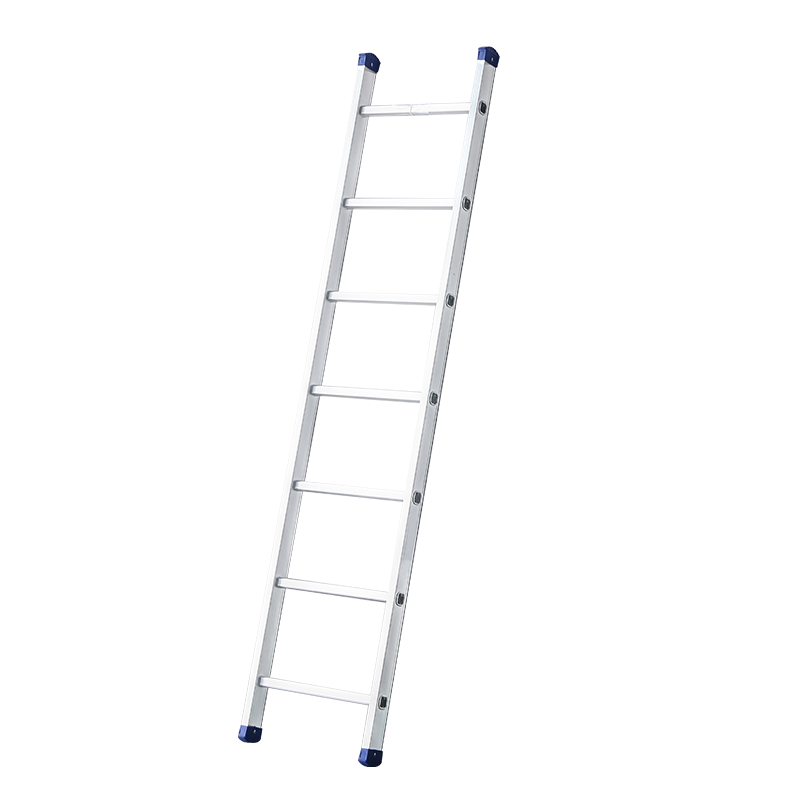
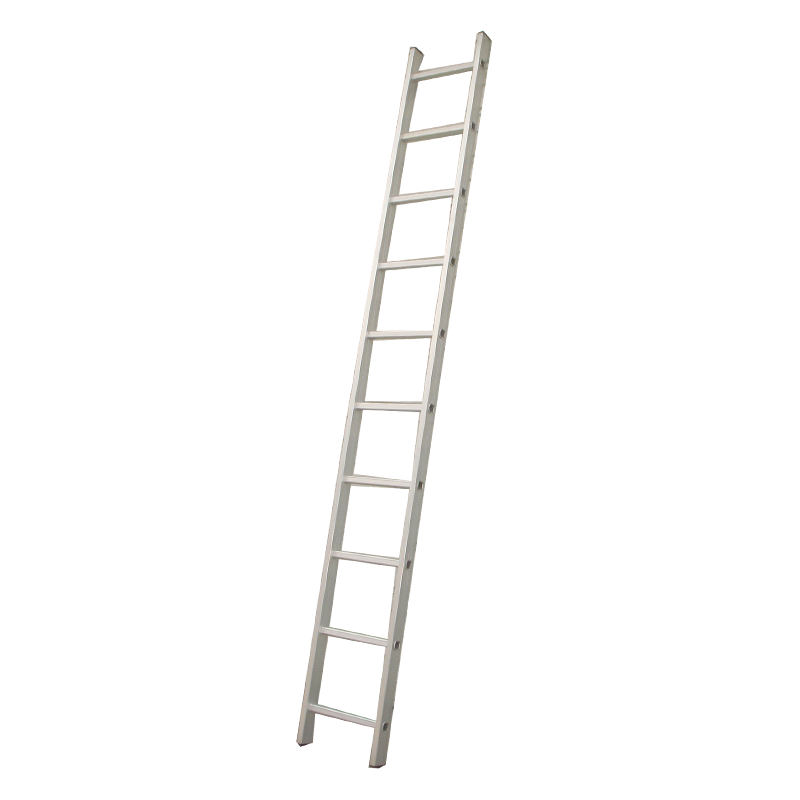
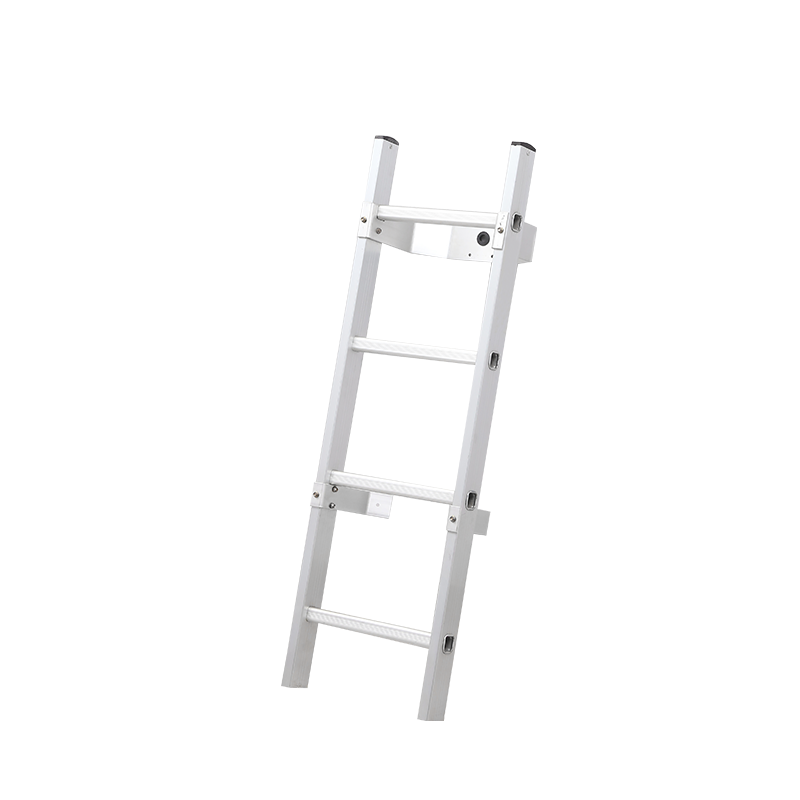
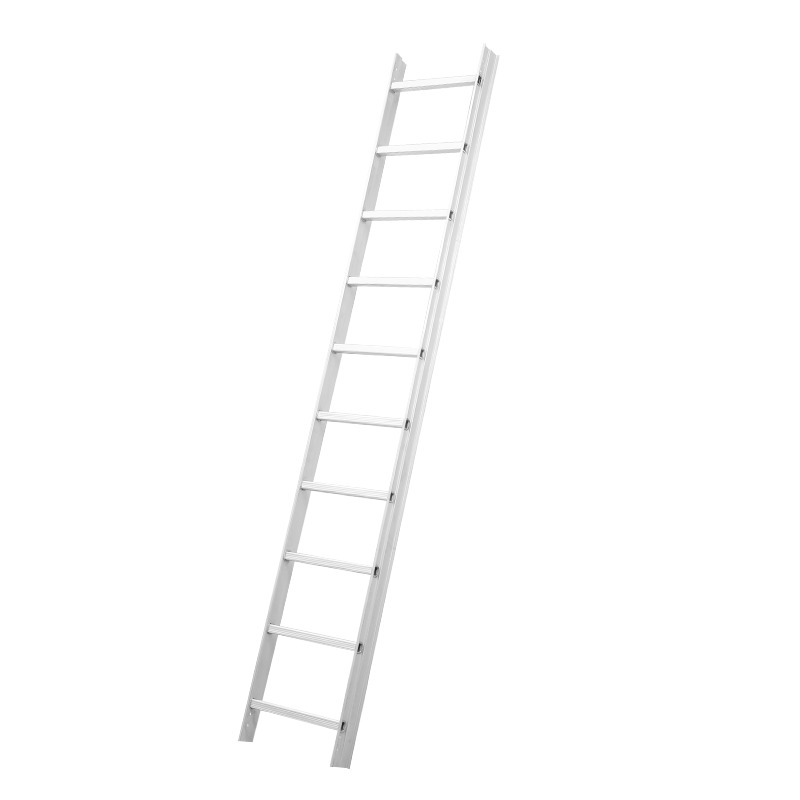
In the market for home improvement tools and light commercial equipment, a category of product stands out for its practical balance of affordability and utility: the economic extension ladder. This type of ladder, designed to offer adjustable height through a telescoping or sliding section mechanism, provides a versatile access solution without a substantial financial investment. The economic extension ladder is engineered to meet the needs of homeowners, DIY enthusiasts, and small-scale contractors who require reliable height access for periodic tasks, emphasizing core functionality, acceptable safety standards, and cost-effectiveness over premium features or heavy-duty industrial specifications.
The fundamental appeal of an economic extension ladder lies in its adjustable design and accessible price point. Unlike a fixed-length ladder, an economic extension ladder can be extended to various heights, allowing a single product to serve multiple roles—from changing a light bulb indoors to cleaning gutters or painting exterior trim. This versatility makes the economic extension ladder a practical and space-saving choice for users who cannot justify owning several ladders of different lengths. The extension mechanism is typically straightforward, often involving a manual rope and pulley system or simple latch locks that are easy for individuals to operate, aligning with the product's user-friendly philosophy.
Material selection is a primary factor in achieving the economic extension ladder profile. While premium ladders may utilize advanced alloys or fiberglass, models in this category commonly employ materials like high-strength aluminum or treated steel. Aluminum is favored for its favorable strength-to-weight ratio, corrosion resistance, and relatively low cost, making it a prevalent choice for an economic extension ladder. The construction focuses on delivering adequate strength and stability for typical household and light-duty jobs, ensuring the ladder performs reliably under expected loads without incorporating more expensive materials or complex engineering reserved for professional-grade equipment.
Safety features on an economic extension ladder, while meeting essential standards, are designed to be practical and cost-contained. These ladders will include necessary components such as slip-resistant feet for stability on various surfaces, positive locking mechanisms to securely hold the extended sections in place, and often spreader bars or braces that lock the ladder in the open position. The rungs are designed to provide secure footing. While an economic extension ladder may not include the advanced stabilization systems or extra-wide bases found on more expensive models, it incorporates fundamental safeguards that, when used correctly according to the manufacturer's instructions and weight ratings, provide a safe platform for a wide range of common tasks.
Developments in the economic extension ladder segment are likely to focus on incremental improvements in material efficiency, user ergonomics, and weight reduction. Innovations may involve more refined locking mechanisms for smoother operation or the use of improved coatings to enhance durability against the elements. The core market driver will remain the demand for a trustworthy, adaptable, and accessible tool that democratizes safe height access. As such, the economic extension ladder continues to serve as a fundamental enabler for countless projects, proving that practical design and mindful engineering can provide effective solutions that align with both functional needs and economic considerations, ensuring that essential tasks around the home and workplace can be completed with confidence and care.

 Need Any Us Help?

+86-18657955841
+86-13095886288

+86-0579-87775595


Sihou Village, Lvtan Town, Wuyi, Zhejiang, China
Copyright © 2023 Wuyi Dexin Industry & Trade Co., Ltd. All Rights Reserved.



 English
 中文简体
中文简体 Deutsch