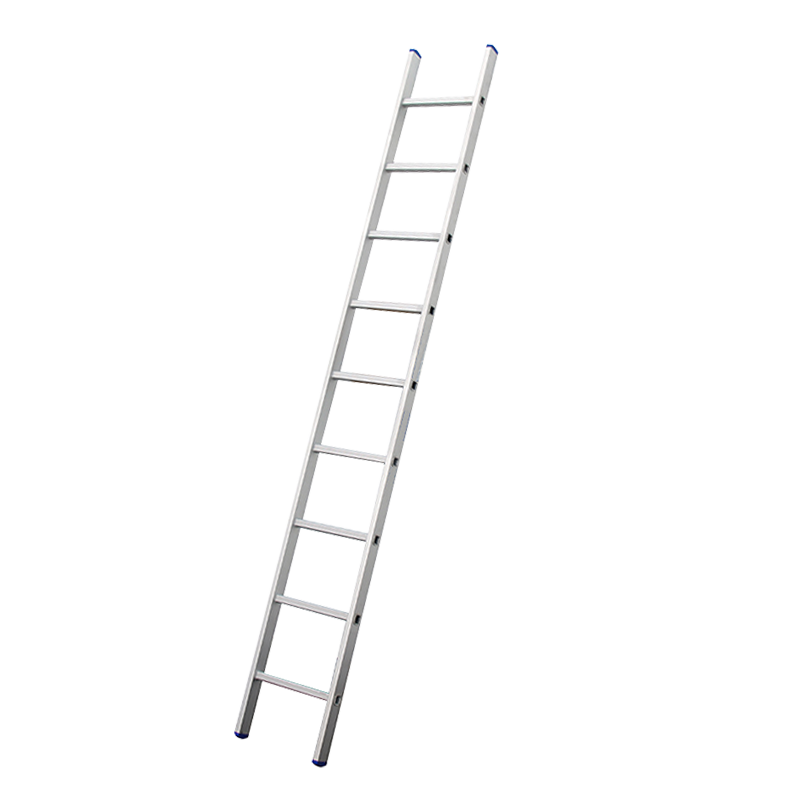
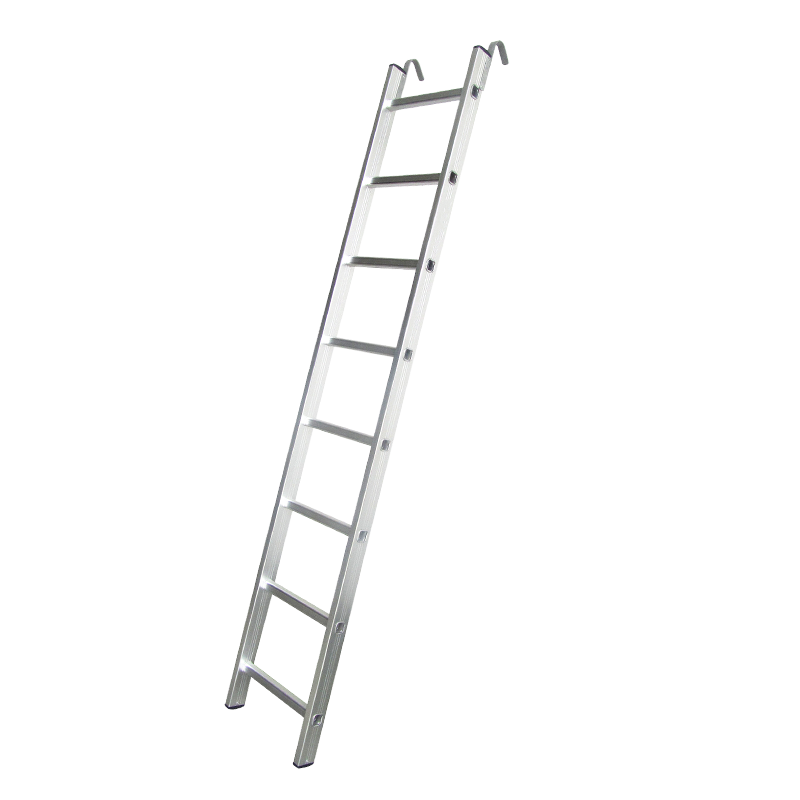
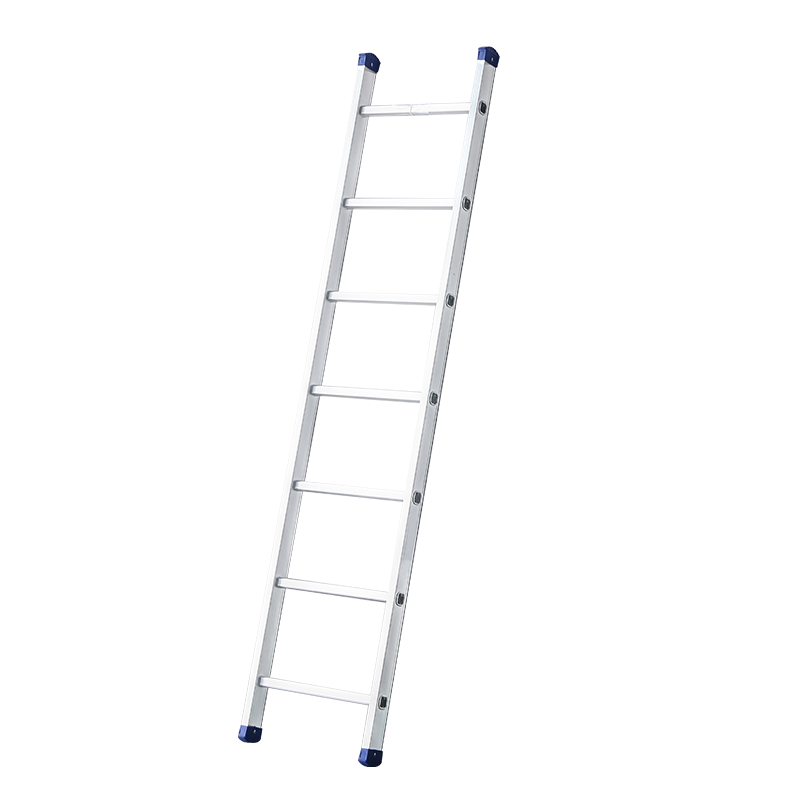
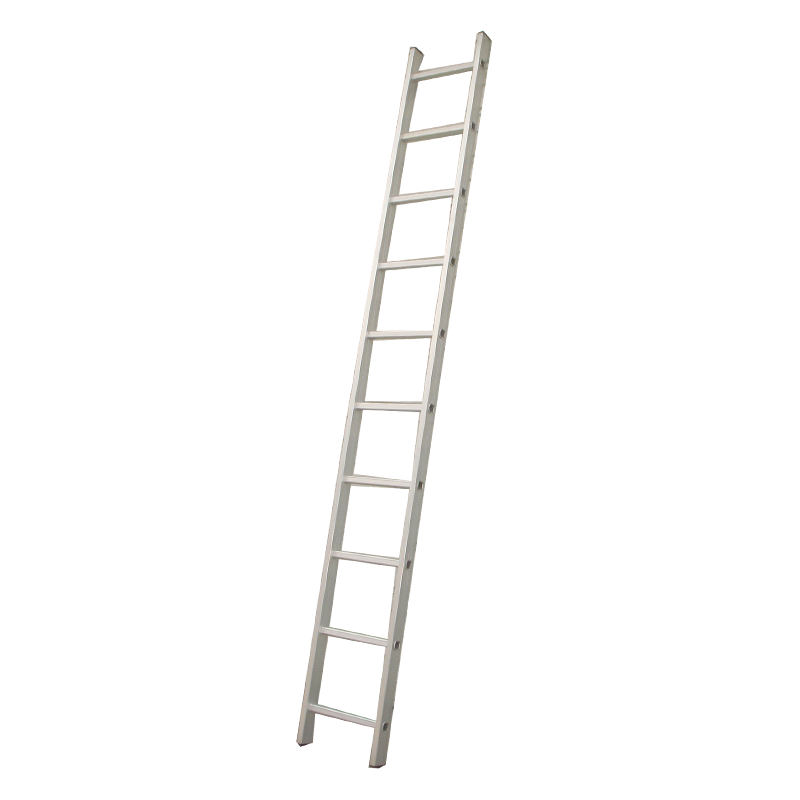
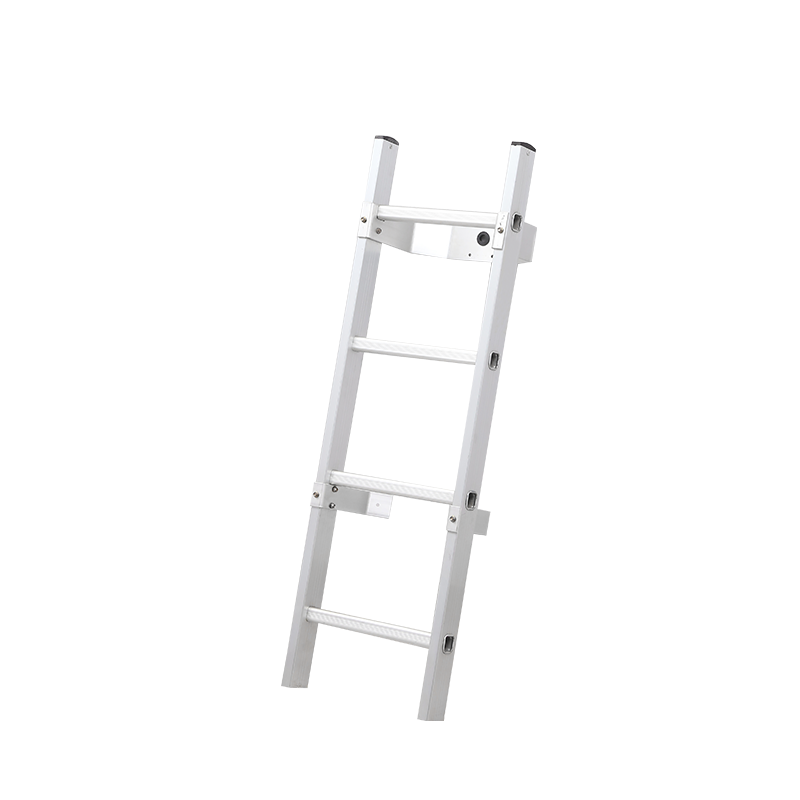
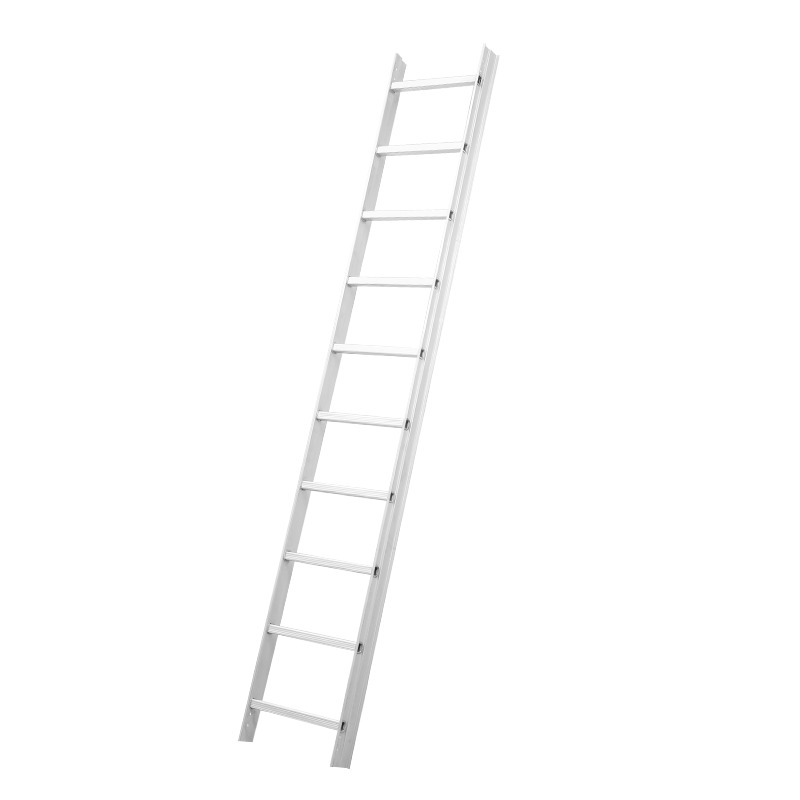
The pool ladder has established itself as important safety equipment for residential and commercial swimming facilities, providing swimmers with secure access to and from the water. This apparatus plays a critical role in preventing accidents by offering stable handholds and footholds for individuals entering or exiting pools where wet surfaces create slippery conditions. Pool owners recognize the pool ladder as fundamental infrastructure that directly affects user safety and swimming experience.
The primary function of the pool ladder centers on facilitating safe transitions between deck and water for swimmers of all ages. Without proper ladder access, individuals may attempt to climb out using pool edges that lack secure grip points, increasing fall risks. A well-designed pool ladder provides graduated steps and sturdy handrails that support body weight during exit when muscles may be fatigued from swimming.
Design considerations for pool ladder construction prioritize stability and corrosion resistance given the challenging aquatic environment. Materials must withstand continuous exposure to chlorinated water and sunlight without degrading. Stainless steel components dominate premium pool ladder applications due to outstanding corrosion resistance. Thermoplastic alternatives offer lightweight handling and color options that appeal to residential pool owners seeking aesthetic coordination.
Step configuration significantly affects pool ladder usability and safety. Wide tread surfaces provide secure footing even when wet, reducing slip risks during ascent and descent. Textured patterns on step surfaces further enhance traction for bare feet. Riser heights consistent with standard stair dimensions accommodate natural walking gait, preventing missteps common in inferior designs.
Handrail placement on pool ladder units provides important upper body support during transitions. Rails positioned at appropriate heights allow users to maintain three-point contact while climbing, reducing fall probabilities. Dual handrail configurations enable balanced support for users of varying heights. The security provided by proper handrails encourages independent pool access.
Installation requirements ensure secure attachment that withstands forces generated during use. Deck-mounted configurations utilize anchor systems that resist movement when users apply weight during exit. Step-mounted designs hook securely over pool walls with adjustments accommodating varying wall thicknesses. Proper installation prevents movement that could create instability during critical entry and exit moments.
Accessibility considerations have influenced pool ladder evolution as facilities seek compliance with requirements for individuals with disabilities. Specialized designs incorporate wider steps and enhanced handrail configurations that accommodate individuals with mobility limitations. These adaptations enable inclusive swimming environments where all users can enjoy water access with dignity and safety.
Maintenance requirements ensure continued safety performance through years of aquatic exposure. Regular inspection identifies developing corrosion or loose connections before these issues compromise safety. Cleaning removes accumulated algae that create slippery conditions on step surfaces. Timely replacement of worn components extends service life while maintaining important safety characteristics.
Child safety considerations influence pool ladder design through features that restrict unsupervised access. Removable sections allow pool owners to prevent entry when swimming is not actively supervised. Locking mechanisms on some models secure steps in raised positions, creating barriers that young children cannot overcome independently. These features support comprehensive pool safety programs.
As swimming remains popular across all demographic groups, the pool ladder maintains relevance as fundamental safety infrastructure. Each installation represents commitment to preventing slips and falls during pool entry and exit. Whether serving competitive swimmers or children learning in backyard pools, the pool ladder provides important support for transitions that bookend every swimming experience.

 Need Any Us Help?

+86-18657955841
+86-13095886288

+86-0579-87775595


Sihou Village, Lvtan Town, Wuyi, Zhejiang, China
Copyright © 2023 Wuyi Dexin Industry & Trade Co., Ltd. All Rights Reserved.



 English
 中文简体
中文简体 Deutsch