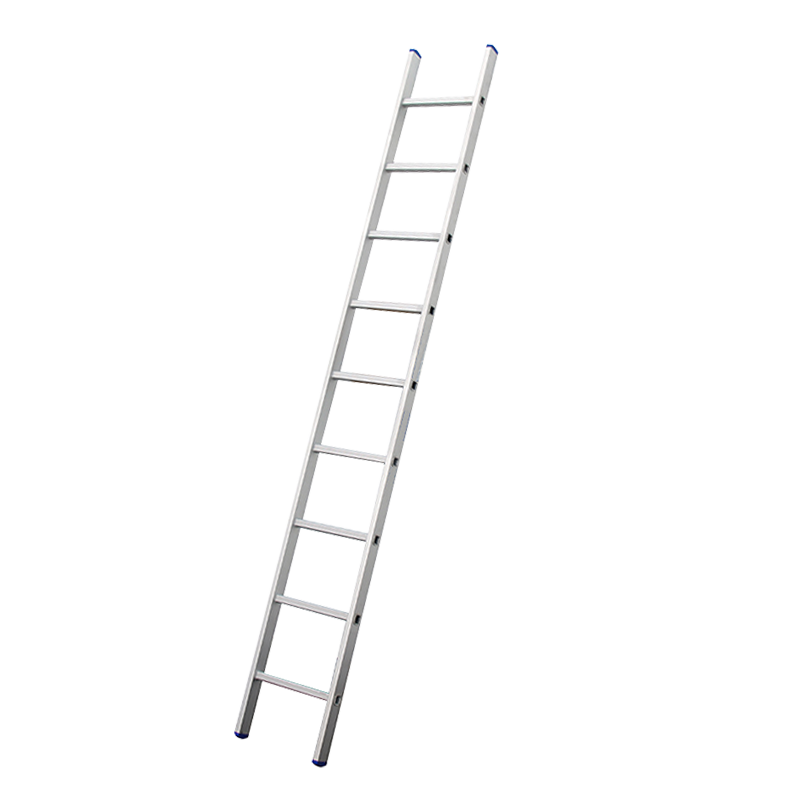
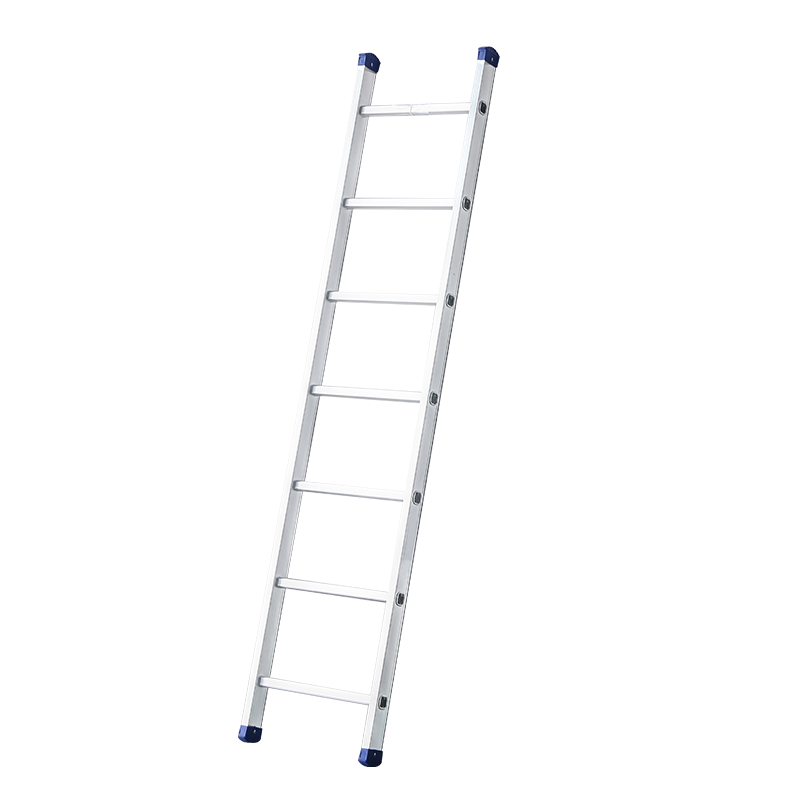
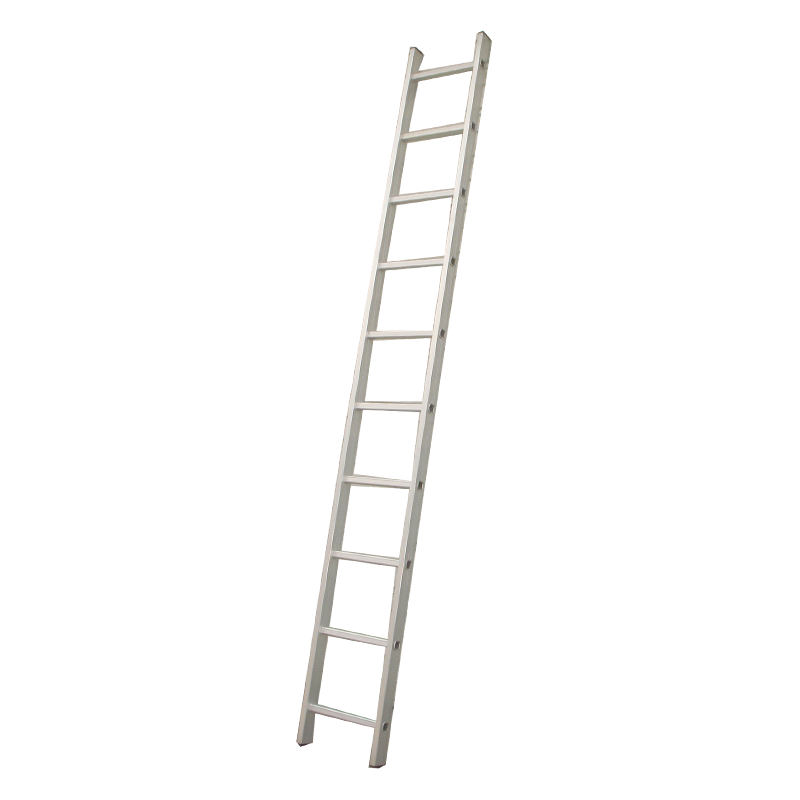
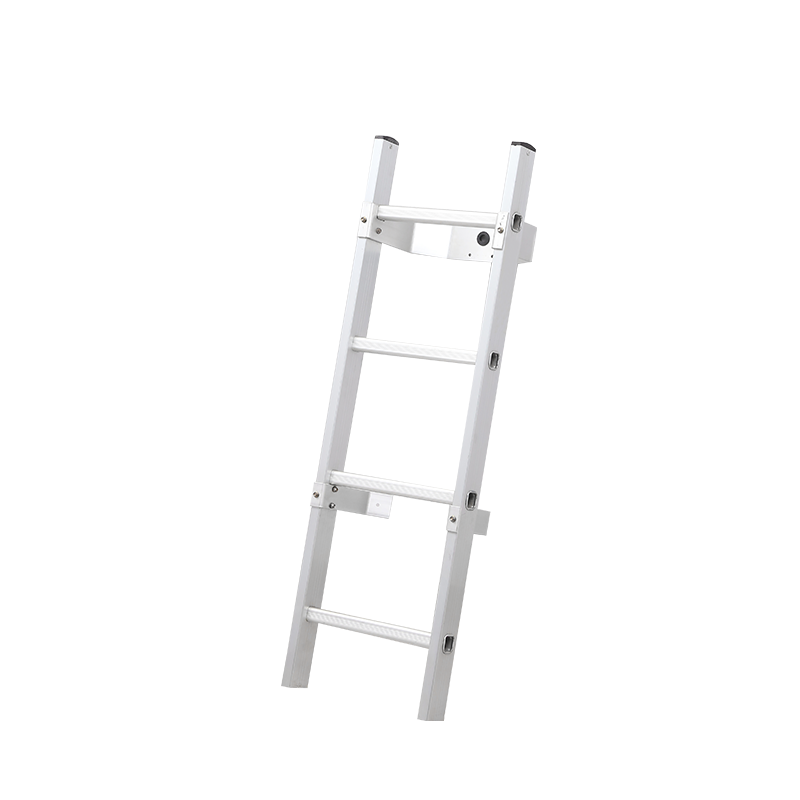
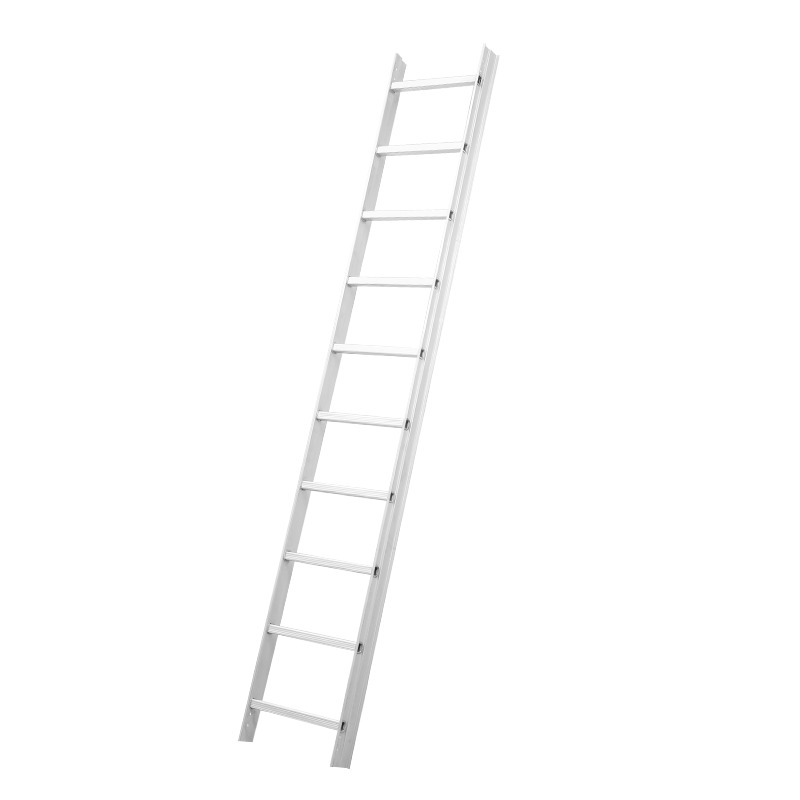
The escape ladder has become an important safety device for households seeking to protect residents from building fires and other emergencies requiring rapid evacuation. This portable tool, designed to deploy quickly from windows, creates immediate exit routes when primary pathways become blocked by flames or smoke. Safety experts consistently recommend the escape ladder as affordable insurance for families in multi-story residences where seconds determine survival outcomes.
The fundamental purpose of the escape ladder centers on providing alternative exit options when conventional routes prove impassable. Fires commonly block stairways within minutes of ignition, trapping residents on upper floors without means of safe descent. A properly installed escape ladder transforms any window into potential evacuation point, offering occupants a controlled method for reaching ground level. This capability explains why fire safety authorities emphasize escape ladder ownership for all homes with bedrooms above ground floor.
Construction standards for escape ladder equipment reflect the life-saving function these devices serve. Materials must support significant weight without failure, typically rated for multiple occupants making simultaneous escapes during family emergencies. Rung spacing accommodates safe descent by adults, children, and elderly family members whose physical capabilities vary considerably. These requirements ensure escape ladder performance meets expectations when failure consequences prove catastrophic.
Weight capacity considerations in escape ladder design accommodate the range of body sizes present in typical households. Residential models generally support several hundred pounds distributed across multiple rungs, enabling consecutive descents by family members. Understanding capacity specifications helps consumers select escape ladder products matched to their specific household compositions.
Portability advantages of escape ladder equipment enable flexible placement across multiple rooms requiring emergency exit capability. Lightweight designs allow easy relocation when furniture arrangements change. Compact storage profiles mean escape ladder units occupy small space in closets or under beds, remaining unobtrusive until emergency deployment becomes necessary. This portability encourages comprehensive coverage by enabling placement in every upper-floor sleeping area.
Material selection for escape ladder production balances strength requirements with weight considerations for practical household use. Steel chain constructions provide exceptional durability suitable for permanent installations where up to reliability justifies additional weight. Synthetic rope alternatives offer lighter handling for portable applications where residents may need to reposition units between windows. Both material types undergo rigorous testing to verify performance under emergency conditions.
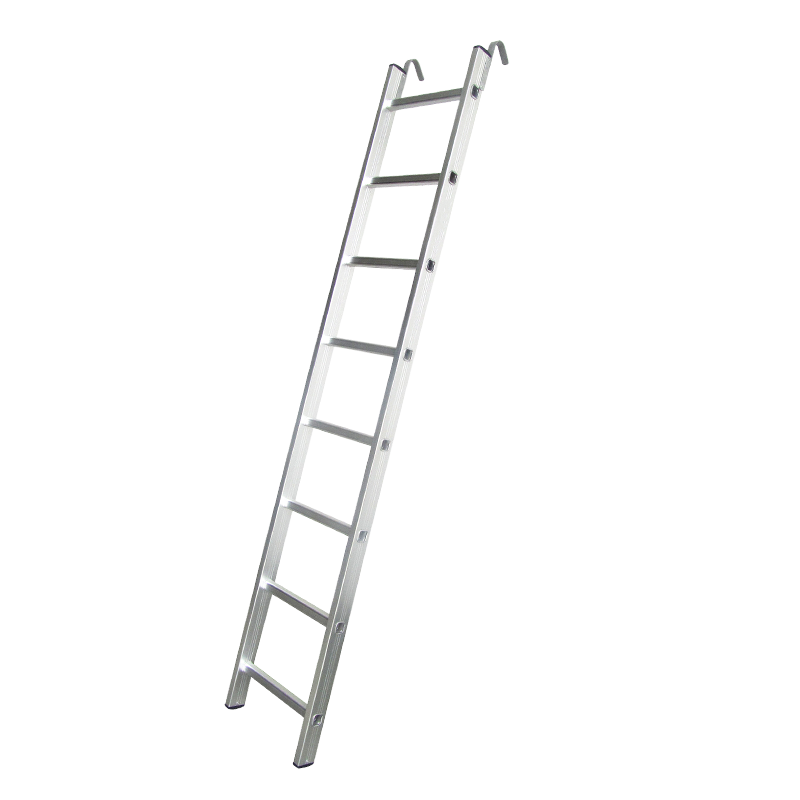
Installation requirements for escape ladder equipment vary according to specific designs and window configurations. Some models attach permanently to window frames, remaining ready for immediate deployment without setup steps during crises. Portable units utilize hooks that grip window sills securely when deployed, supporting occupant weight without permanent mounting hardware. Understanding installation procedures ensures proper function when emergencies trigger deployment.
Practice recommendations from safety authorities emphasize regular escape ladder drills that build familiarity among household members. Simulated deployments help residents understand descent techniques and landing area considerations before real emergencies create dangerous confusion. Children particularly benefit from supervised practice that reduces fear and teaches proper use. These preparation efforts transform escape ladder equipment from passive device into reliable component of comprehensive family emergency planning.
As residential construction trends favor multi-story designs, the escape ladder maintains relevance as fundamental household safety equipment. Building codes increasingly require secondary egress routes from sleeping areas, with escape ladder compliance satisfying these requirements in many jurisdictions. Each installation represents recognition that fire emergencies demand practical solutions ready when primary escape routes fail.

 Need Any Us Help?

+86-18657955841
+86-13095886288

+86-0579-87775595


Sihou Village, Lvtan Town, Wuyi, Zhejiang, China
Copyright © 2023 Wuyi Dexin Industry & Trade Co., Ltd. All Rights Reserved.



 English
 中文简体
中文简体 Deutsch