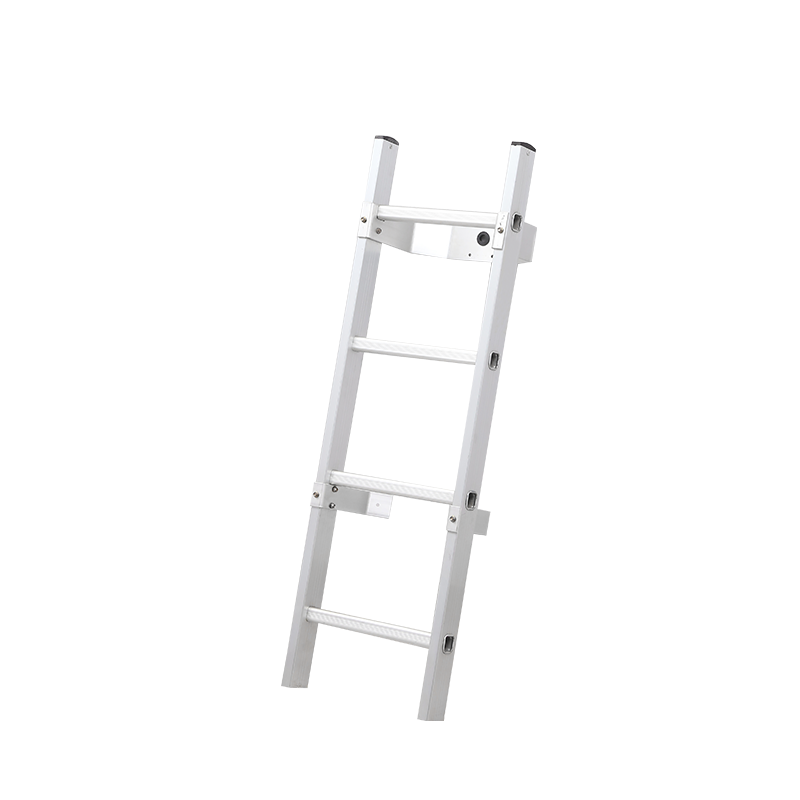
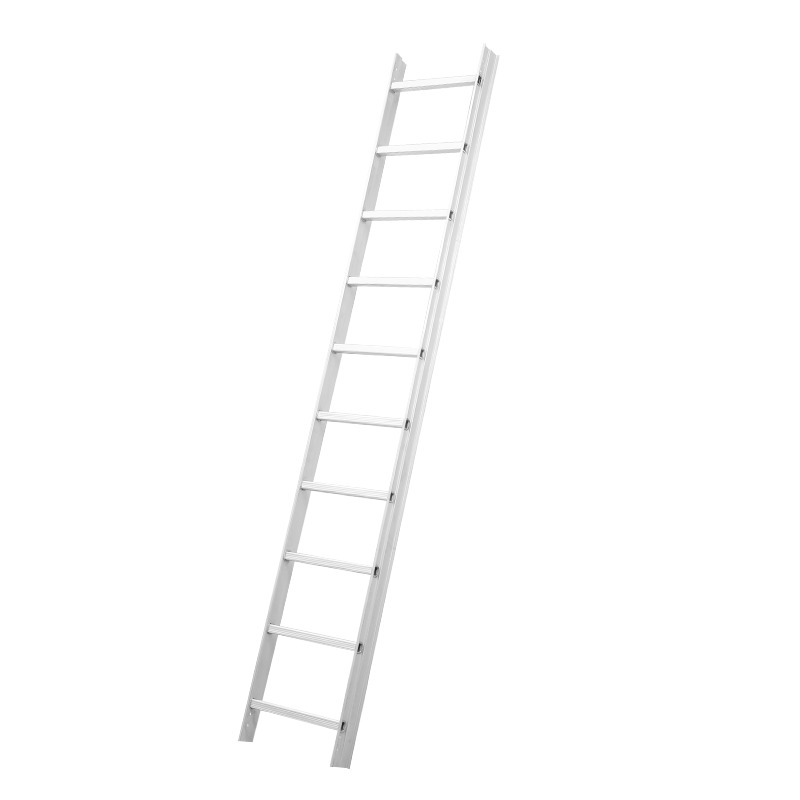
As marinas and waterfront properties prepare for the upcoming peak season, industry observers are noting a significant shift in consumer preferences toward high-quality, user-friendly aquatic access equipment. Specifically, the market for the swim dock ladder is experiencing a notable surge in demand, driven by an aging demographic of boaters and a heightened focus on safety and convenience at the water's edge.
For decades, the humble swim dock ladder was often an afterthought in waterfront design, typically consisting of a few rungs bolted onto a static structure. However, recent trends indicate that modern consumers are seeking more sophisticated solutions. The contemporary swim dock ladder is no longer just a means to exit the water; it has become a critical component of the overall swimming and docking experience. Homeowners with private docks and public marina operators alike are investing in models that offer enhanced stability, corrosion resistance, and ease of use.
Material science has also played a pivotal role in this product renaissance. Given the harsh marine environment, durability is paramount. Stainless steel remains a preferred material for its strength and sleek appearance, but it requires specific grades to withstand saltwater corrosion. Meanwhile, marine-grade aluminum is gaining traction for its lightweight properties and natural resistance to rust. To further enhance the user experience, many of the latest swim dock ladder models incorporate wide, slip-resistant steps made from reinforced plastic or molded composites. These provide a more secure foothold than traditional round rungs, which is especially important when feet are wet.
Safety features are at the forefront of consumer concerns. Beyond just slip-resistant treads, there is a growing market for ladders with sturdy, curved handrails that extend above the dock surface. These rails provide crucial support for individuals pulling themselves from the water, reducing the risk of slips and falls during the transition. Furthermore, the integration of buoyant systems or counter-balanced designs ensures that the ladder remains stable and doesn't sink or drift away when weight is applied.
The installation process has also seen innovations. While permanently mounted systems are still standard for private docks, there is a burgeoning market for portable and removable swim dock ladder units. These are ideal for community docks where theft or vandalism is a concern, or for seasonal residents who remove their dock accessories during the winter months. These portable units often clamp securely to the dock edge, offering the same stability as a permanent installation but with the flexibility of removal.
Experts predict that the customization of the swim dock ladder will continue to evolve. As waterfront real estate becomes increasingly valuable, homeowners are looking to personalize every aspect of their property. This includes choosing ladder finishes, step colors, and mounting styles that complement the aesthetic of their home and dock. Whether it is a sleek, low-profile flush-mount ladder for a modern lakeside home or a heavy-duty, wide-step model for a busy family marina, the focus remains on providing safe, reliable, and convenient access to the water for everyone. With the boating season on the horizon, the industry is poised for another year of growth, anchored by the simple yet important technology of the swim dock ladder.

 Need Any Us Help?

+86-18657955841
+86-13095886288

+86-0579-87775595


Sihou Village, Lvtan Town, Wuyi, Zhejiang, China
Copyright © 2023 Wuyi Dexin Industry & Trade Co., Ltd. All Rights Reserved.



 English
 中文简体
中文简体 Deutsch