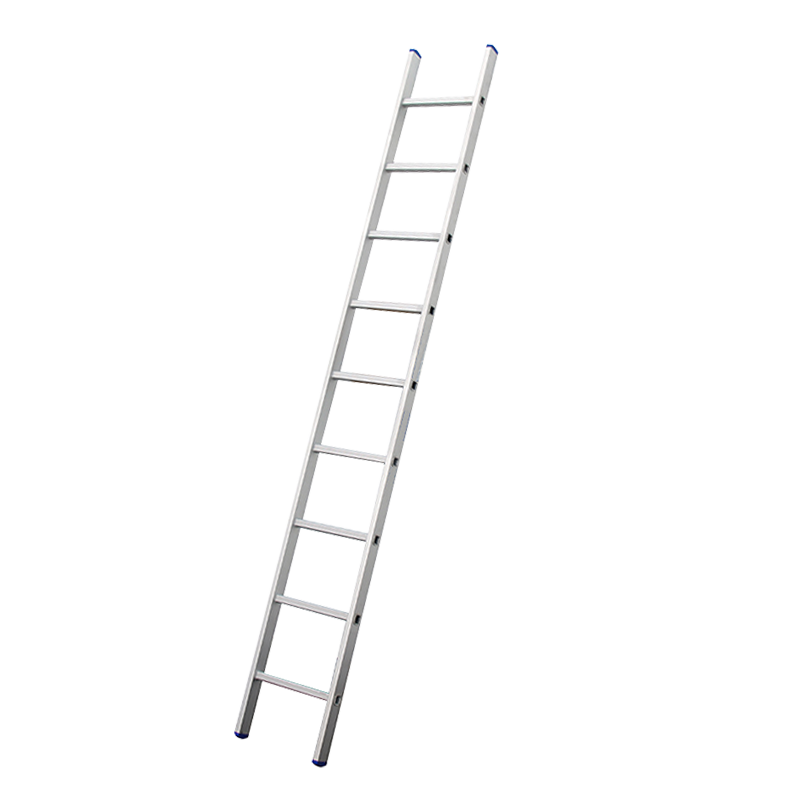
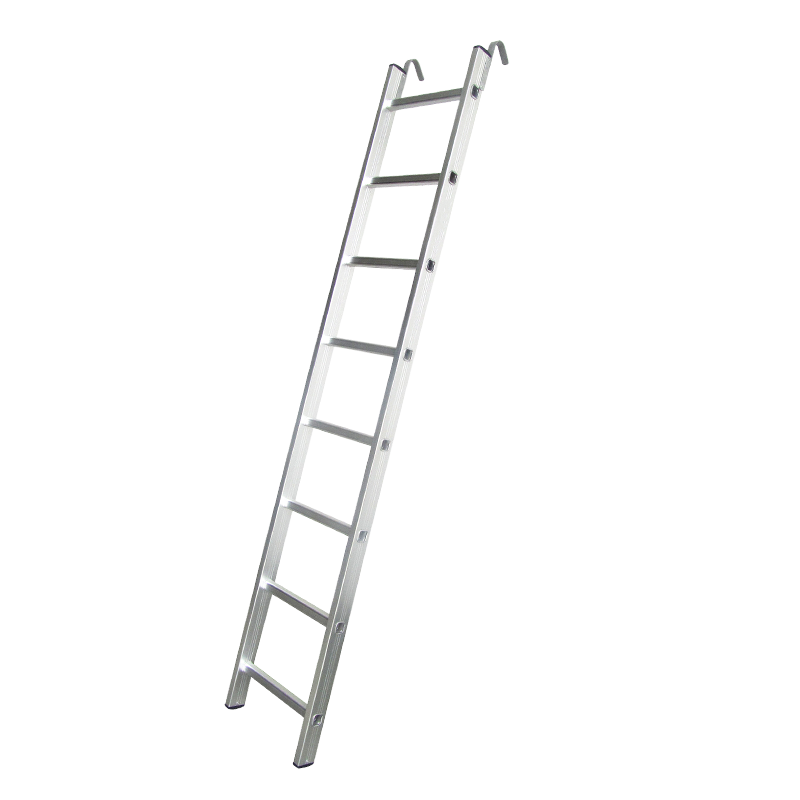
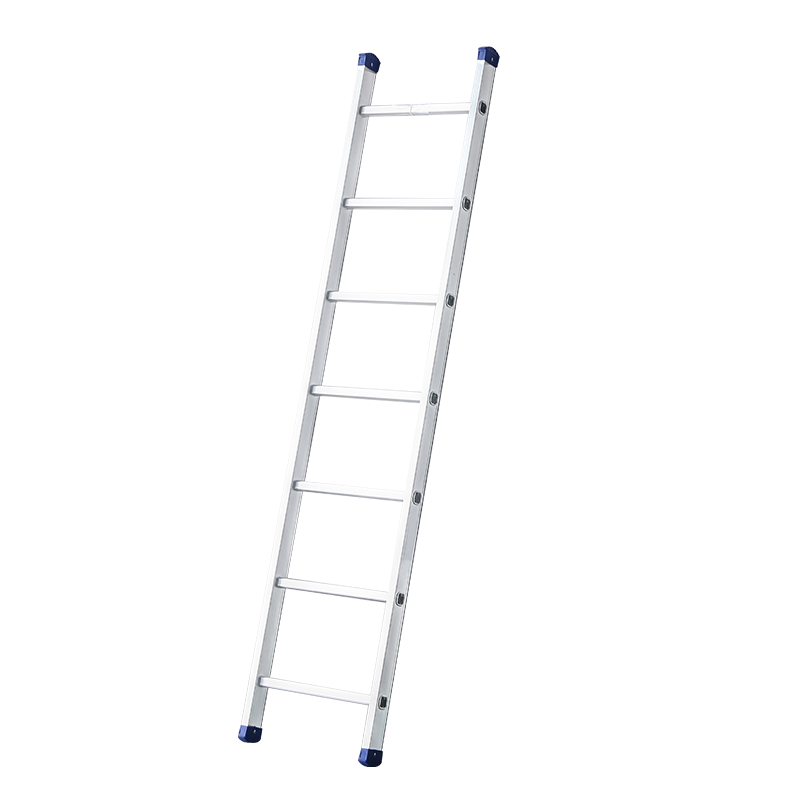
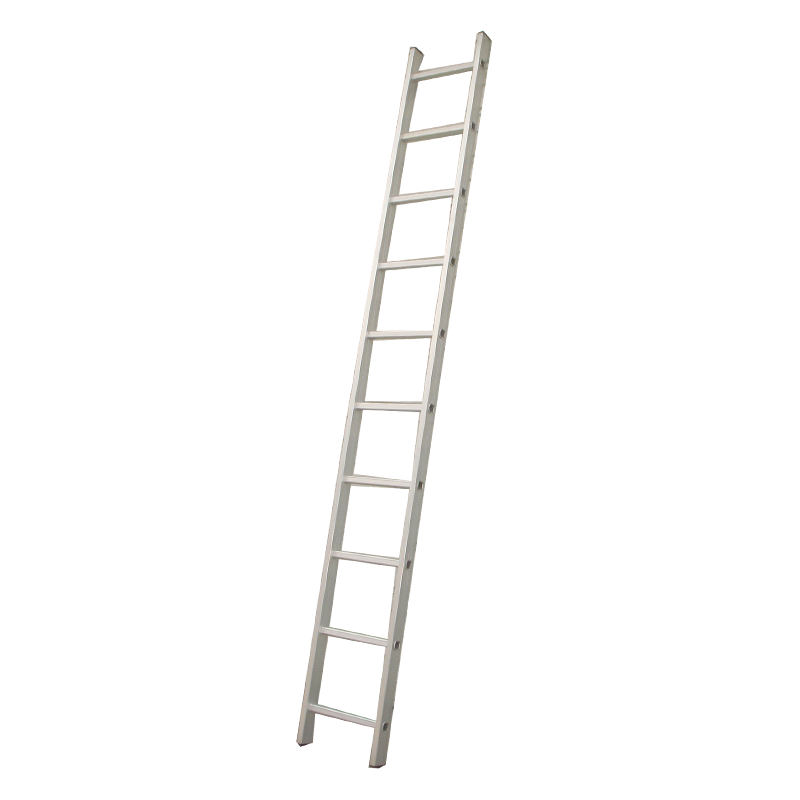
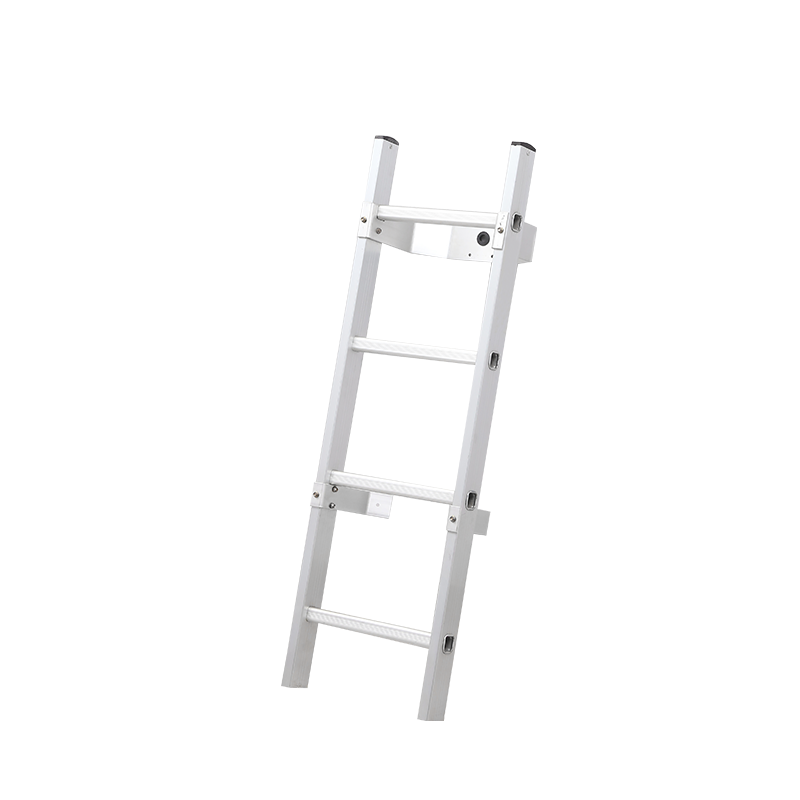
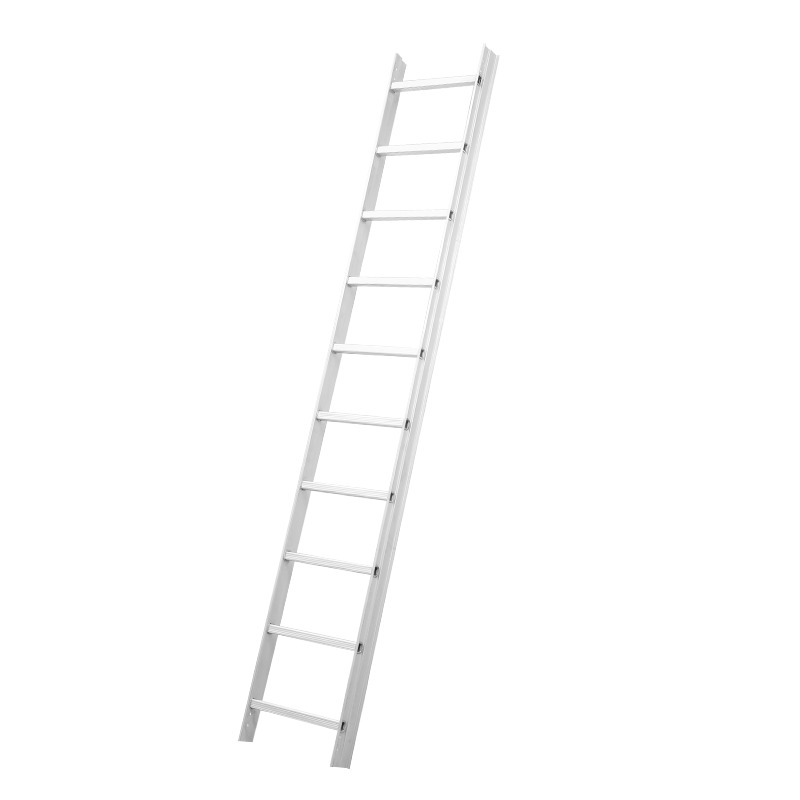
The need for a stable, temporary boost in height is a common occurrence in homes, offices, retail spaces, and libraries. Addressing this ubiquitous need with a focus on space efficiency and portability is the Folding Step Stool. This cleverly designed product, which collapses into a flat or compact profile for storage, provides a practical and accessible tool for reaching high shelves, cabinets, and other elevated spaces without the bulk of a full-sized ladder. The enduring popularity and continuous innovation within the Folding Step Stool market reflect a universal demand for smart, space-saving solutions that simplify daily tasks, promote independence, and enhance safety for users of all ages.
The core functional benefit of a Folding Step Stool is its dual-state design: it transforms from a stable, stepped platform into a slim, easily stored object. When deployed, a typical Folding Step Stool offers one, two, or sometimes three steps, providing a safe and secure elevation. The folding mechanism is central to its appeal; designs often use a scissor-style “X” frame, a hinge at the top step that allows the legs to fold together, or a flip-up step design. This engineering allows the Folding Step Stool to be stored in narrow gaps—beside a refrigerator, in a closet, under a bed, or behind a door—making it an ideal accessory for apartments, RVs, boats, and any environment where floor space is at a premium. Its light weight further enhances portability, allowing it to be easily carried from room to room as needed.
Safety and stability are paramount in the design of a reliable Folding Step Stool. Key features that address this include non-slip rubber or textured feet that grip the floor securely, preventing the stool from sliding during use. The stepping surfaces themselves are often covered with a ribbed or rubberized material to provide firm footing, even when the user’s shoes are wet or smooth-soled. Robust locking mechanisms are critical; these ensure the legs are positively locked in the open position before any weight is applied, preventing accidental collapse. The construction materials—commonly heavy-duty plastic, reinforced aluminum, or steel—are chosen to provide a sturdy feel and support a rated load capacity, which is clearly labeled and should always be observed for safe operation.
Innovation in the Folding Step Stool sector is likely to emphasize even greater material efficiency, multifunctionality, and ergonomic design. We may see wider adoption of advanced, lightweight composites that offer high strength with small weight. Designs that incorporate additional functions—such as a Folding Step Stool that also serves as a small seat, a storage bin, or integrates a handle for use as a reaching tool—add value for consumers. Ergonomic improvements, such as wider steps or built-in handles for easier carrying and unfolding, will continue to enhance user experience. As urbanization increases living densities and the smallist living trend persists, the fundamental value proposition of the Folding Step Stool—big utility while small its storage footprint—will only become more compelling. It stands as a superb example of thoughtful, problem-solving design, proving that a simple, foldable platform can be an indispensable asset in organizing and navigating daily life.

 Need Any Us Help?

+86-18657955841
+86-13095886288

+86-0579-87775595


Sihou Village, Lvtan Town, Wuyi, Zhejiang, China
Copyright © 2023 Wuyi Dexin Industry & Trade Co., Ltd. All Rights Reserved.



 English
 中文简体
中文简体 Deutsch