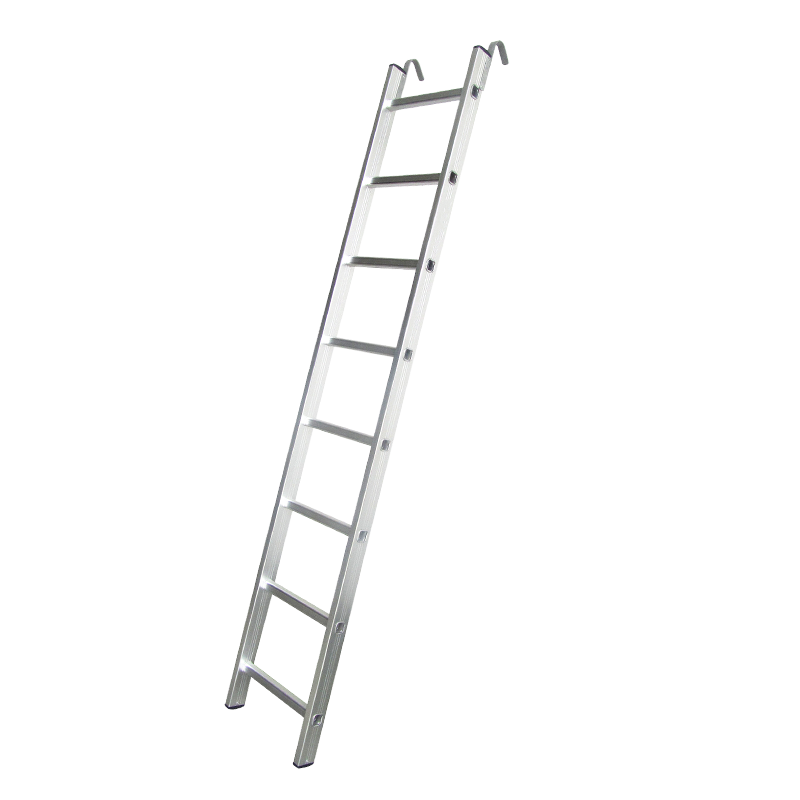
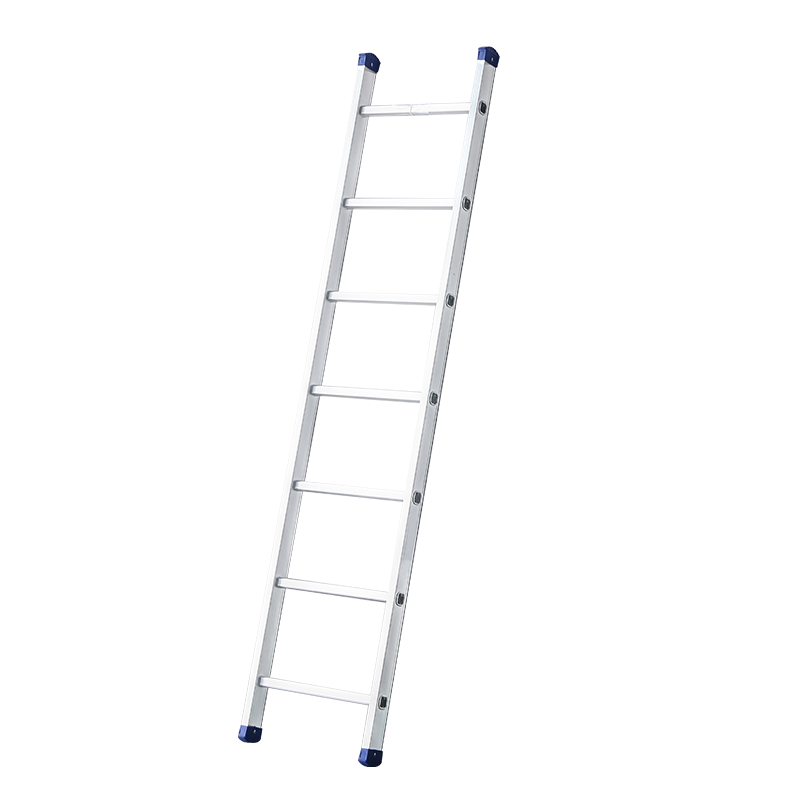
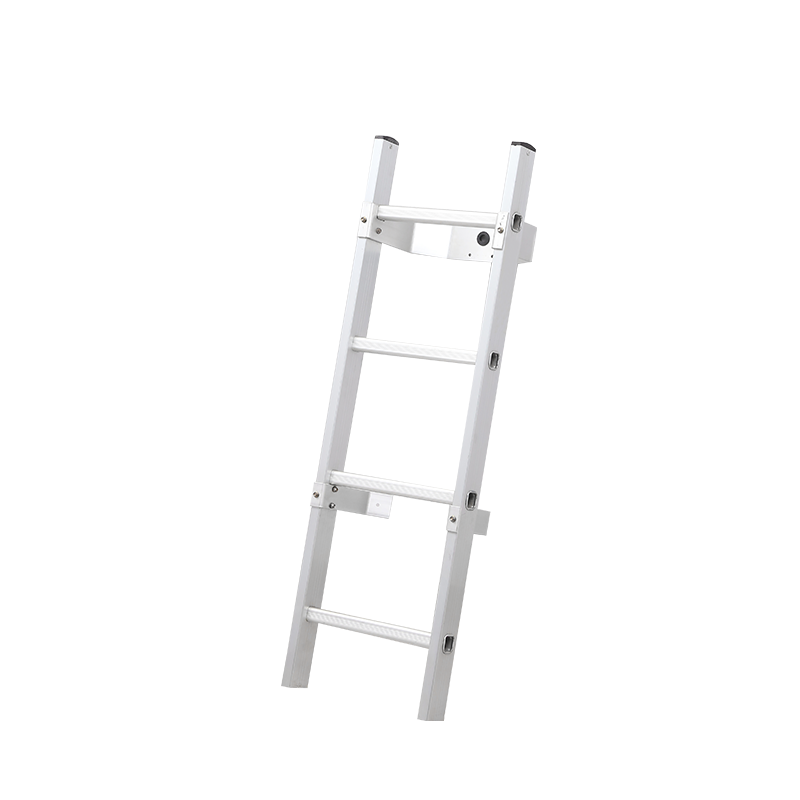
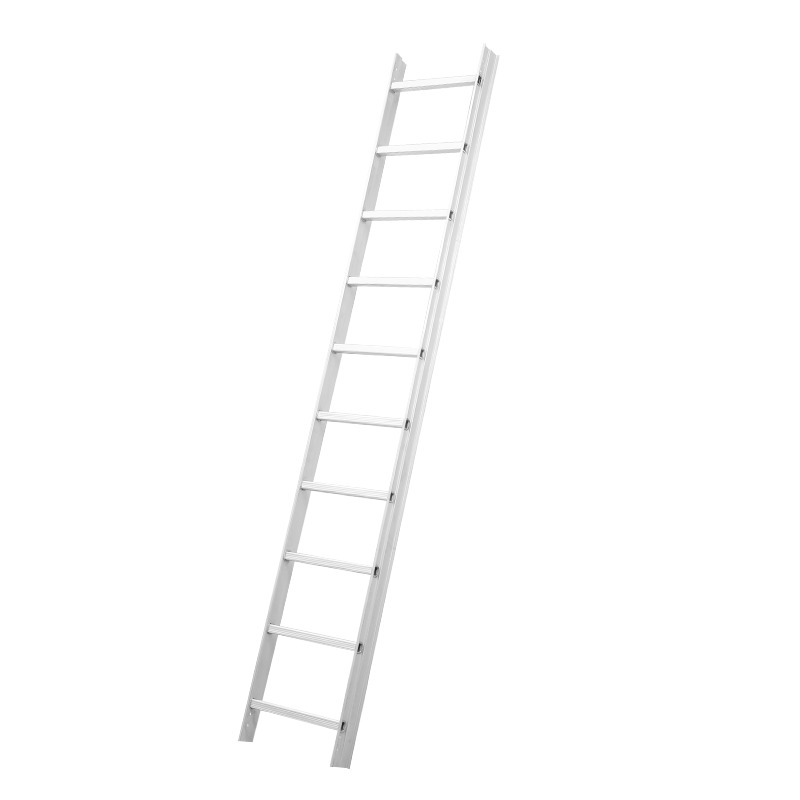
The infrastructure of public and residential safety relies on specialized equipment designed for rapid deployment in crisis situations. Among the lots of iconic and vital tools in this category is the Fire Ladder. Engineered for strength, stability, and quick operation under demanding conditions, the Fire Ladder serves as an essential access and egress pathway for firefighters and a potential means of escape for building occupants. Its evolution and application are directly tied to building design, firefighting tactics, and the unwavering priority of saving lives during structural fires and other emergencies, making it a cornerstone of both professional response and preventative safety planning.
The design and construction of a modern Fire Ladder are governed by rigorous standards to ensure performance when lives are at stake. These ladders are predominantly constructed from high-strength aluminum alloys or composite materials, balancing durability with manageable weight for fire crews. Common types carried on fire apparatus include straight or wall ladders, extension ladders, and combination ladders that can function as either a straight or step ladder. Aerial Fire Ladder systems, mounted on fire trucks, provide extended, mechanically raised reach for high-rise operations. Key features include wide, slip-resistant rungs; massive, robust beams (rails); and positive locking mechanisms on extension ladders that prevent accidental retraction under load.
The operational use of a Fire Ladder by fire departments is multifaceted and strategic. The primary functions are categorized as rescue, ventilation, access, and egress. For rescue, ladders are deployed to windows or balconies to evacuate trapped occupants. For ventilation, a Fire Ladder provides access to roofs so firefighters can cut openings (vertical ventilation) to release superheated gases and smoke, improving interior conditions and visibility. Ladders also grant access for fire attack, allowing crews to enter above a fire or to position hose lines through windows. Furthermore, they provide a critical secondary egress route for firefighters themselves, ensuring they always have a known, safe exit path if interior conditions deteriorate rapidly. The rapid but safe placement of a Fire Ladder is a fundamental skill drilled into all firefighting personnel.
Beyond fire service use, the Fire Ladder concept is integral to building safety codes as a permanent fixture in many structures. These are typically fixed, steel Fire Ladder installations, often found on the exterior of commercial, industrial, and multi-story residential buildings. They provide a dedicated, continuous escape route from upper floors to the ground, typically accessed through windows or designated hatches with swing-out barriers. Regular inspection and maintenance of these fixed Fire Ladder systems are mandated to ensure they are free of rust, obstructions, and damage, guaranteeing they will function during an emergency. Their presence is a critical component of a building's overall life safety system, offering a last-resort escape option when interior stairs are compromised by smoke or fire.
Innovation in Fire Ladder technology focuses on enhancing safety, reducing physical strain on firefighters, and integrating with other emergency systems. Developments include ladders with built-in fall protection anchors, lighter and stronger composite materials, and improved ergonomic designs for easier carrying and deployment. For fixed building ladders, there is research into coatings that provide better grip in wet or icy conditions and designs that are more resistant to urban environmental corrosion. As building heights and complexities increase, the role of both portable and fixed Fire Ladder systems remains fundamentally unchanged: to provide a reliable, physical bridge to safety.

 Need Any Us Help?

+86-18657955841
+86-13095886288

+86-0579-87775595


Sihou Village, Lvtan Town, Wuyi, Zhejiang, China
Copyright © 2023 Wuyi Dexin Industry & Trade Co., Ltd. All Rights Reserved.



 English
 中文简体
中文简体 Deutsch