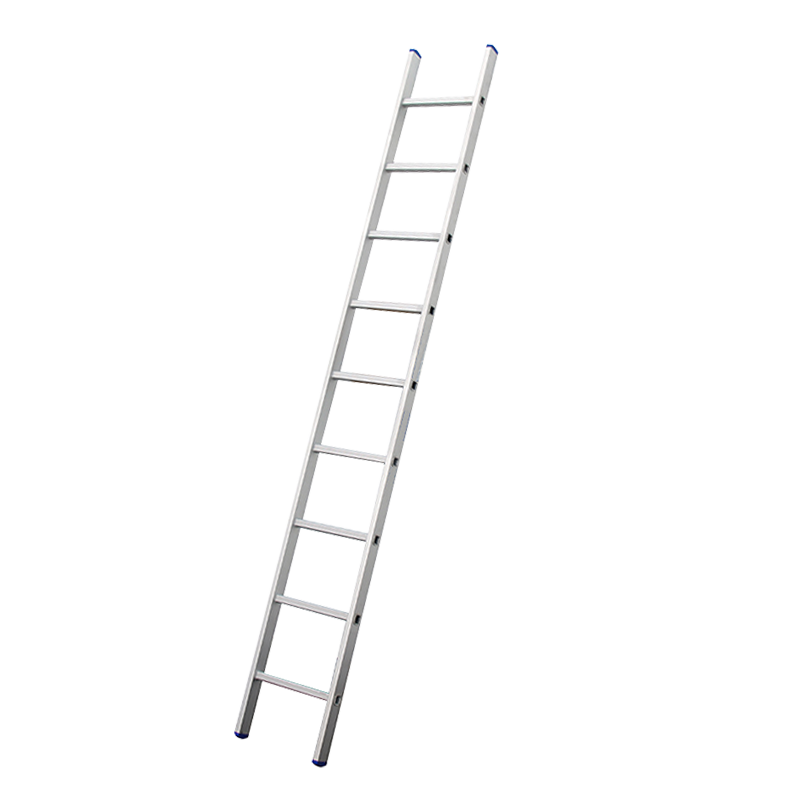
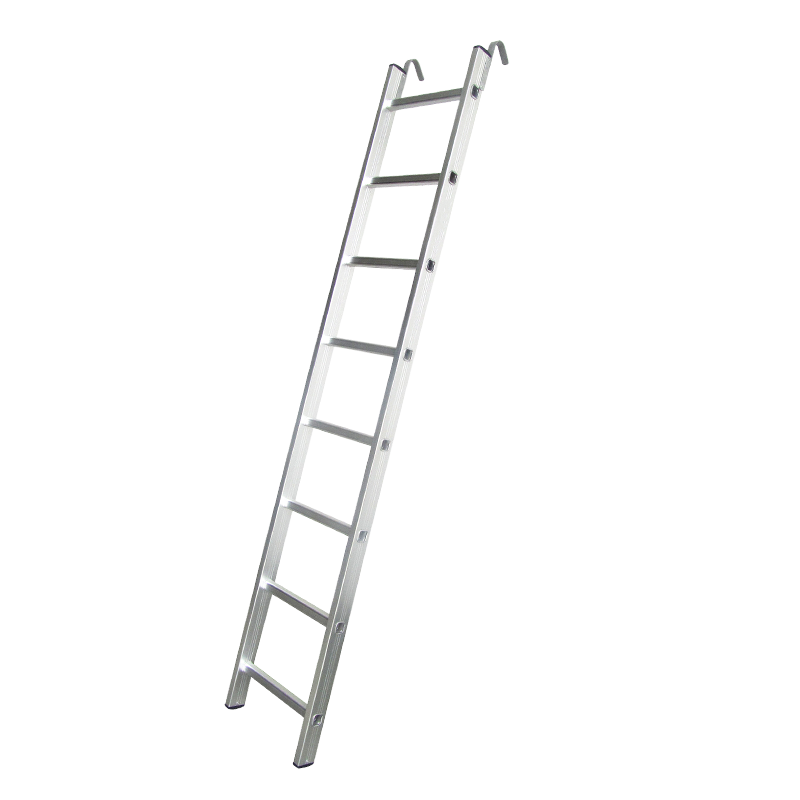
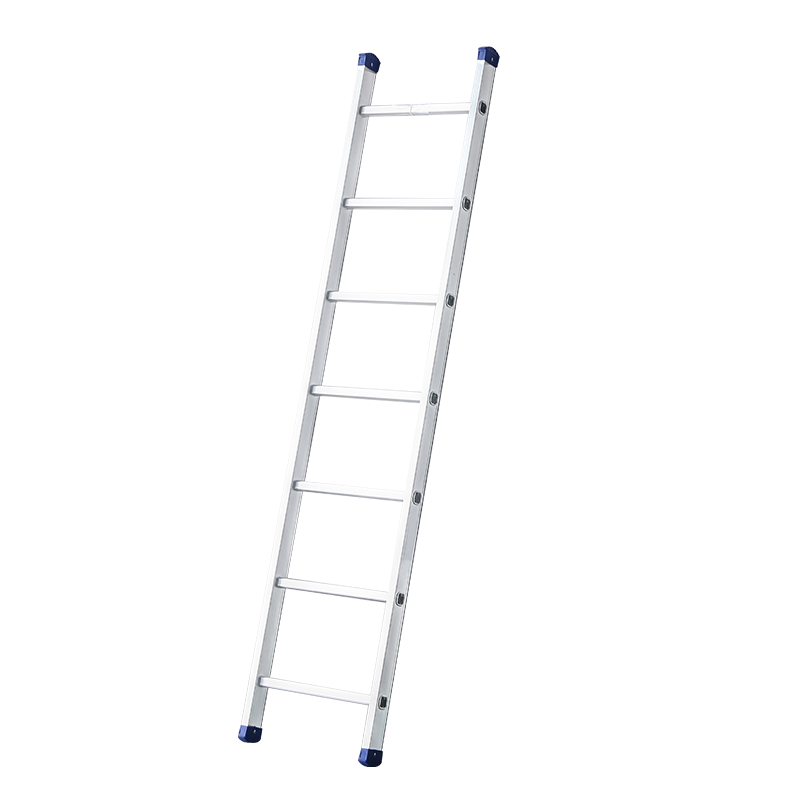
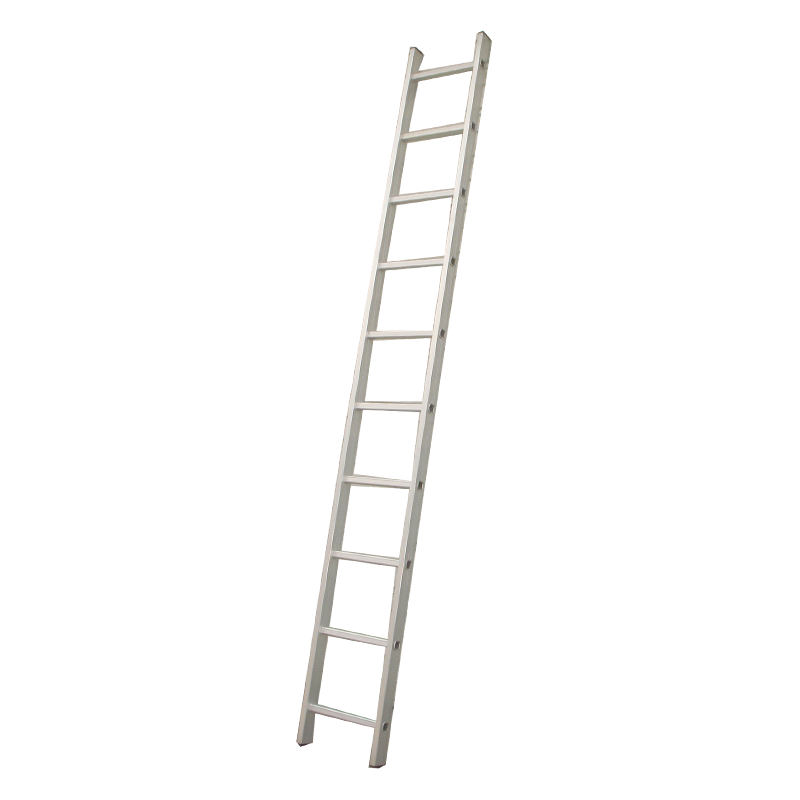
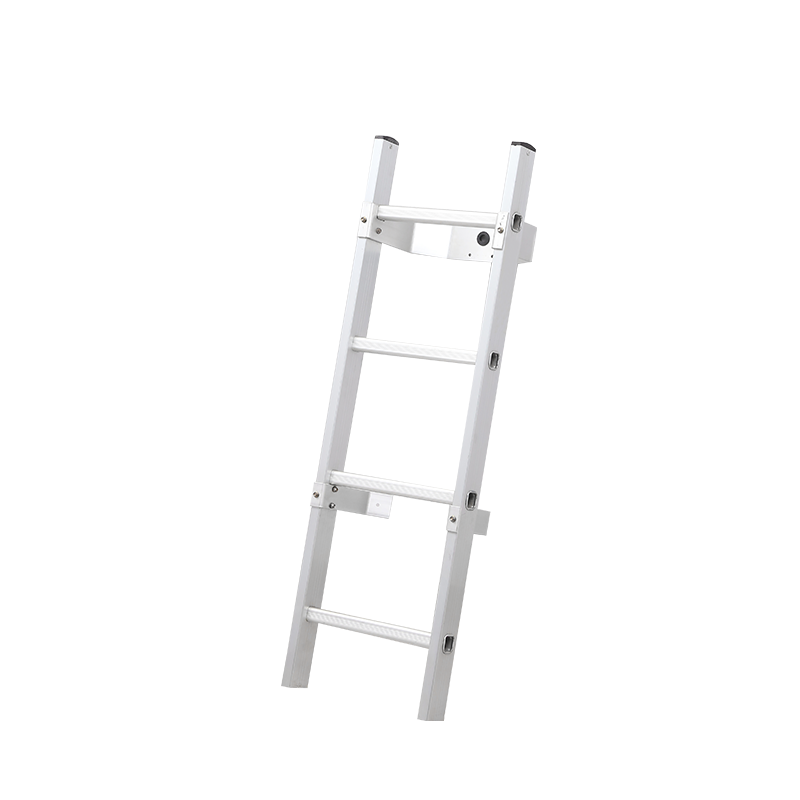
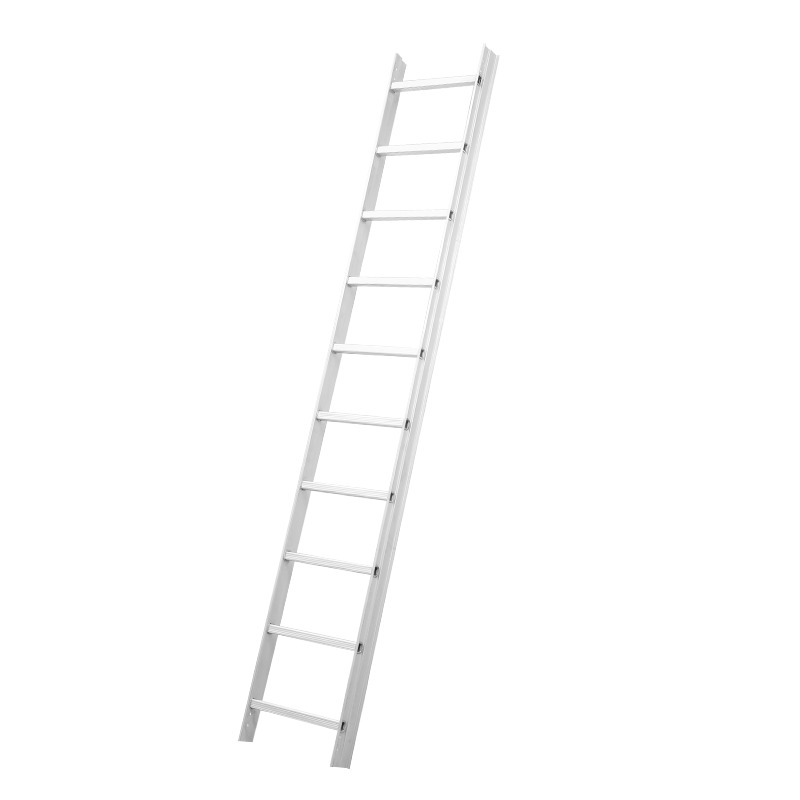
The realm of access equipment, essential for tasks ranging from home maintenance to light industrial work, features a variety of designs tailored to specific needs. Among the lots of fundamental and ubiquitous is the Single Ladder. Characterized by its simple, non-self-supporting design of two side rails connected by rungs, the Single Ladder is a portable, straightforward solution for reaching elevated areas where vertical access against a stable structure is possible. Its enduring presence in garages, warehouses, construction sites, and homes worldwide underscores its irreplaceable role as a primary tool for safe, efficient vertical mobility in countless routine and professional scenarios.
The defining characteristic of a Single Ladder is its need for a stable supporting surface. It must be leaned against a wall, tree, or other solid structure at a safe angle—typically a 75.5-degree ratio or a "1:4 rule" (one unit out from the wall for every four units up)—to prevent slipping or tipping backward. This lean-to operation distinguishes it from self-supporting step ladders. A standard Single Ladder is constructed from materials chosen for strength, weight, and application: traditional wood (like Douglas fir) for general use, lightweight aluminum for frequent transport and electrical non-conductivity (though caution is still advised near live wires), and fiberglass for jobs where electrical hazards are a primary concern due to its non-conductive properties. The rungs are securely fastened to the rails, often with rivets or through robust jointing techniques, to support significant weight.
The application spectrum for the Single Ladder is remarkably broad due to its simplicity and versatility. In residential settings, it is the go-to tool for cleaning gutters, painting walls, accessing attic spaces, changing light bulbs in high ceilings, and retrieving items from high shelves. For tradespeople such as painters, electricians, and carpenters, a Single Ladder is a fundamental part of their kit, used for running wiring along walls, installing siding or trim, and performing a wide array of installation and repair tasks.
Safety and proper use are paramount considerations with any Single Ladder. Key safety protocols include ensuring the ladder is placed on firm, level ground; checking that all locking mechanisms (if extending) are fully engaged; maintaining three points of contact while climbing; not overreaching sideways; and never exceeding the ladder's duty rating, which indicates the up to load it is designed to carry. Modern safety features integrated into Single Ladder designs include slip-resistant rung covers or end caps, bright safety labels with load and setup instructions, and on extension models, positive rung locks and sturdy pulley systems.
The Single Ladder category continues to evolve with a focus on ergonomics, material science, and integrated safety. Innovations may include wider, more comfortable rungs to reduce foot fatigue, advanced composite materials that offer strength rivaling aluminum at a lighter weight, and improved non-slip footings for use on a wider variety of surfaces. While powered access platforms exist for industrial use, the Single Ladder’s unmatched combination of low cost, portability, and simplicity ensures its continued dominance for a vast range of tasks. It remains one of the lots of recognizable and essential tools, a testament to the enduring value of a well-engineered, straightforward solution for overcoming vertical challenges in daily work and life.

 Need Any Us Help?

+86-18657955841
+86-13095886288

+86-0579-87775595


Sihou Village, Lvtan Town, Wuyi, Zhejiang, China
Copyright © 2023 Wuyi Dexin Industry & Trade Co., Ltd. All Rights Reserved.



 English
 中文简体
中文简体 Deutsch