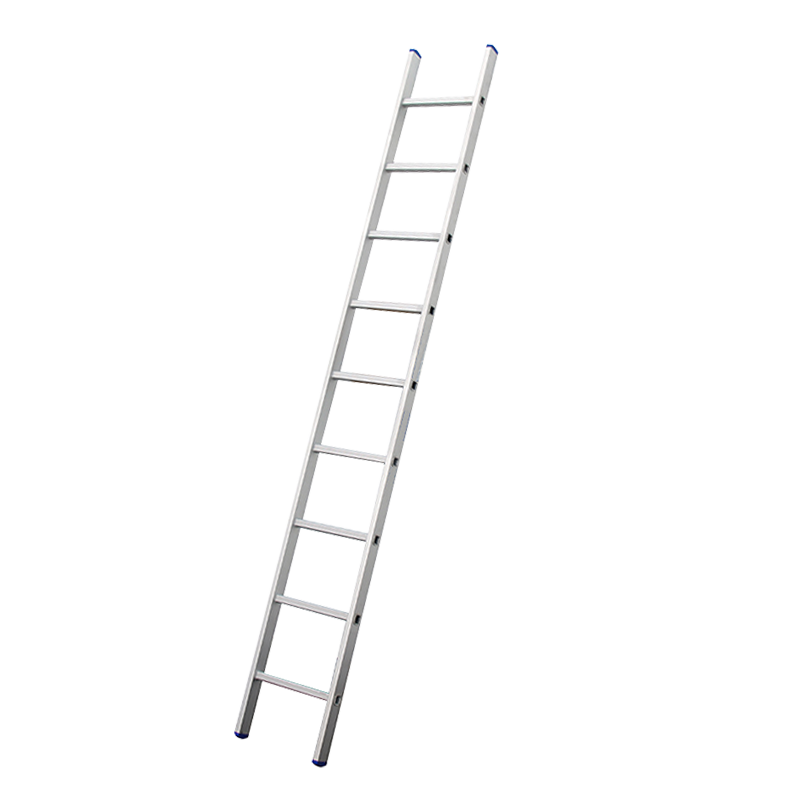
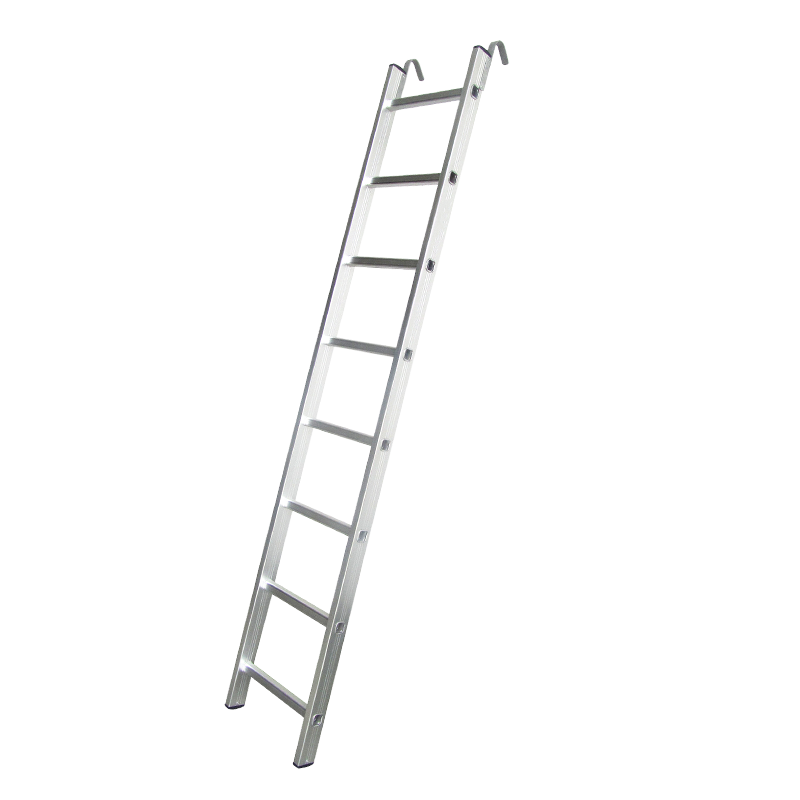
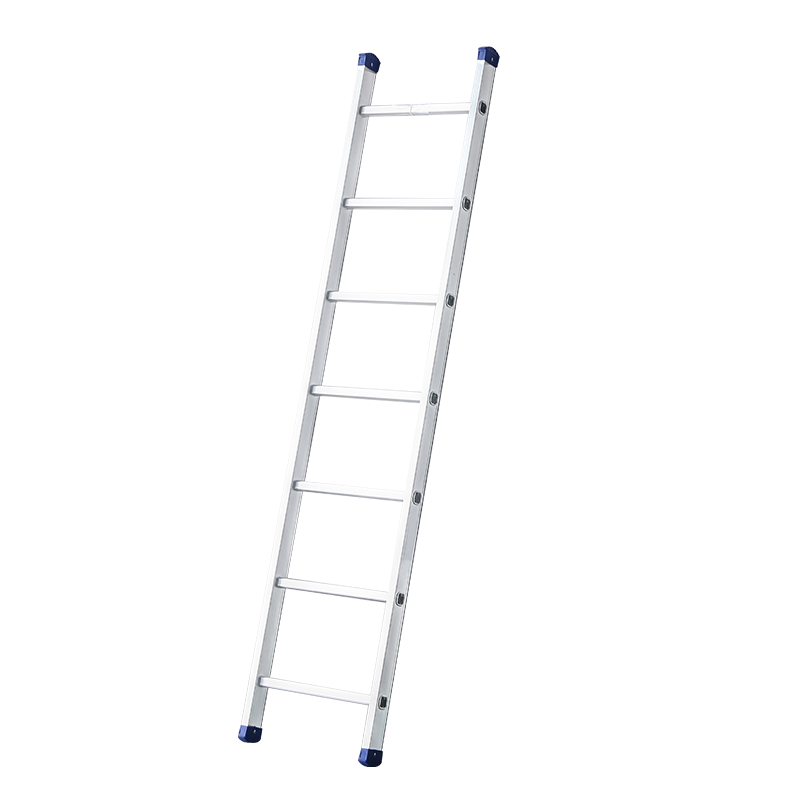
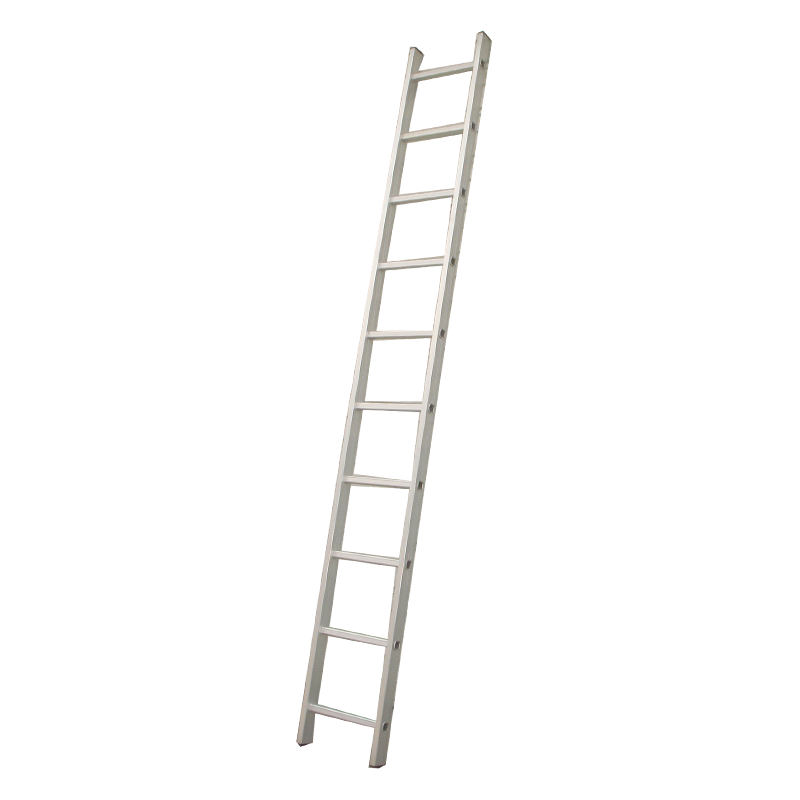
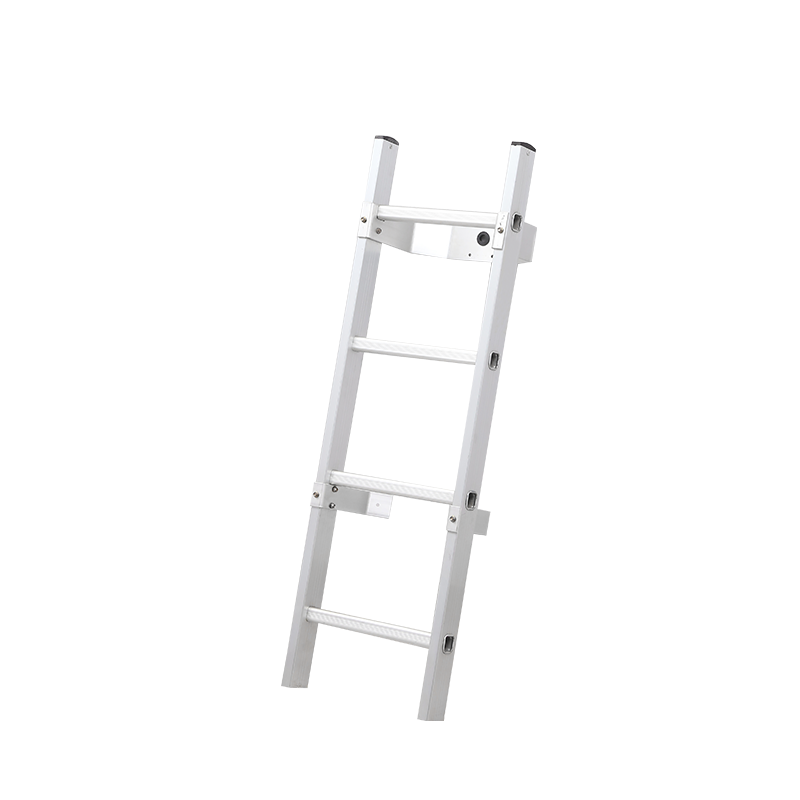
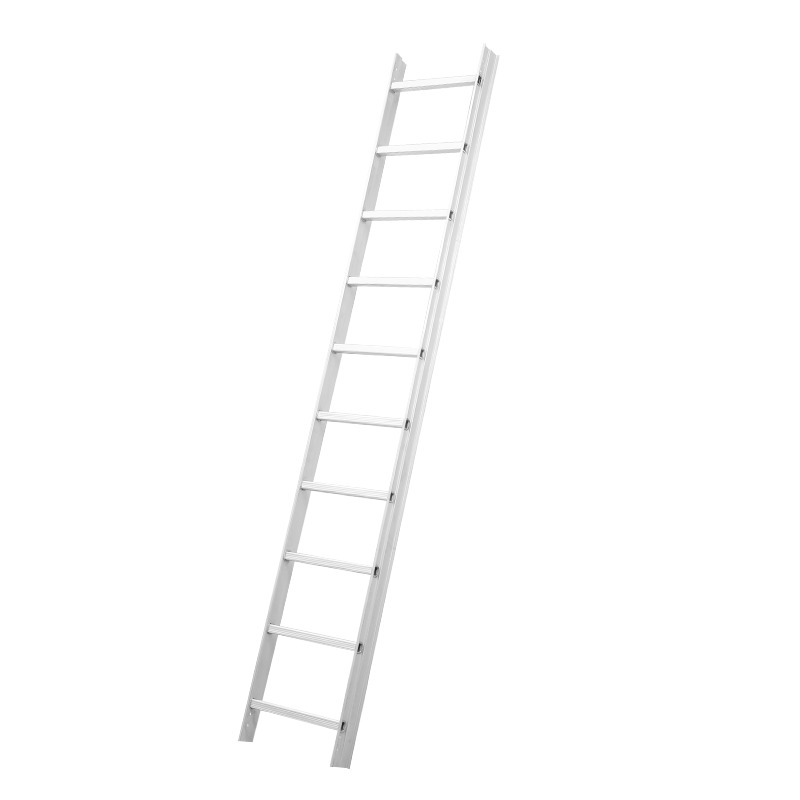
In the comprehensive strategy for residential fire safety, one device serves a specific and potentially life-preserving function: the escape ladder. Designed as a portable, deployable means of egress from upper-story windows, the escape ladder provides a planned secondary exit route when primary pathways like interior stairwells are blocked by smoke or flames. While smoke alarms and fire extinguishers are widely recognized essentials, the escape ladder represents a proactive solution for a specific, high-risk scenario, emphasizing preparedness and offering a tangible option for self-rescue in multi-story homes and apartments.
The fundamental purpose of an escape ladder is to bridge the dangerous gap between an upper-floor window and the ground outside. In the event of a fire where exit through the interior of the building is impossible, a properly stored and deployed escape ladder can facilitate a rapid descent. Modern residential escape ladder models are typically constructed from lightweight yet strong materials like braided steel cable, aircraft-grade aluminum, or flame-resistant rope, integrated with rigid rungs for secure footing. They are designed to be compact for storage under a bed or in a closet, yet quickly unrolled and anchored to a window sill or other sturdy fixture, transforming a potential trap into a viable escape route within moments.
Safety and reliability are the paramount considerations in the design and manufacture of an escape ladder. A trustworthy escape ladder must be engineered to support a significant dynamic load—the weight of a person moving on it—without failure. Key features include wide, anti-slip rungs spaced for comfortable climbing, robust hooks or window attachments that securely grip the sill without slipping, and construction that resists twisting or tangling during deployment. Many models are tested to common safety standards, though specific certifications can vary. Crucially, the value of an escape ladder is only realized if it is part of a practiced home escape plan; families are advised to familiarize themselves with its operation and location, ensuring even children understand its purpose in a calm, instructional setting, not during an emergency.
The application of the escape ladder is almost exclusively focused on residential and certain commercial multi-occupancy buildings. It is a recommended safety accessory for any bedroom located on the second floor or higher. For renters in apartment buildings, a portable escape ladder can provide a personal safety measure, though its use should be considered in the context of the building's overall fire safety plan. In some regions, building codes for new multi-family dwellings or hotels are beginning to consider or mandate provisions for secondary egress, which can include built-in or easily accessible escape ladder systems, reflecting a growing acknowledgment of their role in layered safety.
Innovation in the escape ladder product category tends to focus on ease of use, deployment reliability, and material advancements. Future developments may include more intuitive, foolproof anchoring mechanisms that work on a wider variety of window types, integrated protective gloves for handling hot rungs or cables, and even lightweight composite materials that offer greater strength in a more compact storage package. The core mission remains unchanged: to provide a reliable, last-resort tool that can help individuals and families reach safety when no other option exists. As public awareness of comprehensive fire safety grows, the escape ladder is poised to become a more commonplace element of the safety toolkit, standing as a quiet guardian against one of home life's formidable threats.

 Need Any Us Help?

+86-18657955841
+86-13095886288

+86-0579-87775595


Sihou Village, Lvtan Town, Wuyi, Zhejiang, China
Copyright © 2023 Wuyi Dexin Industry & Trade Co., Ltd. All Rights Reserved.



 English
 中文简体
中文简体 Deutsch