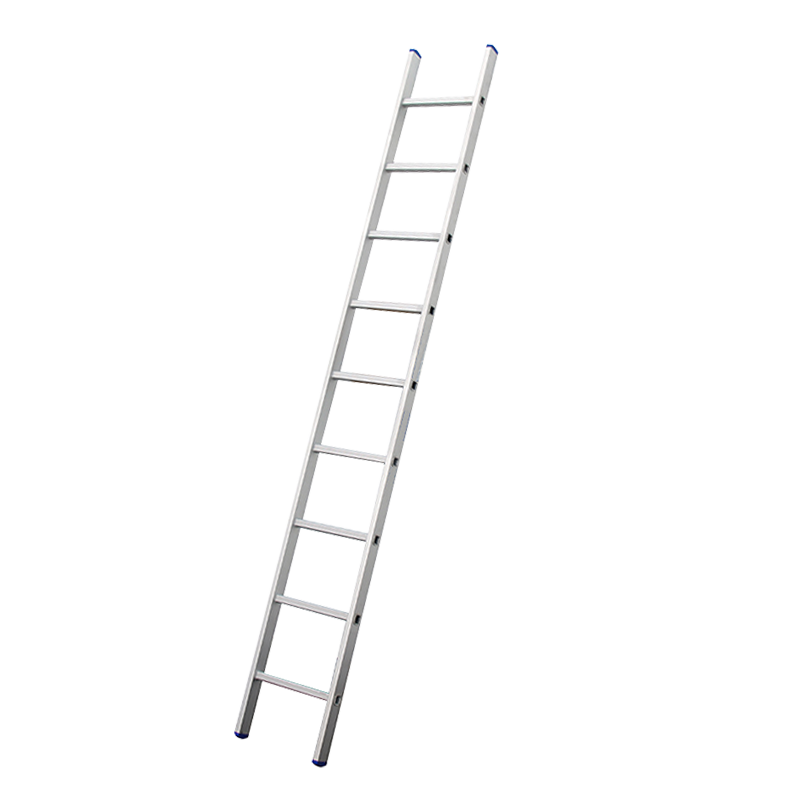
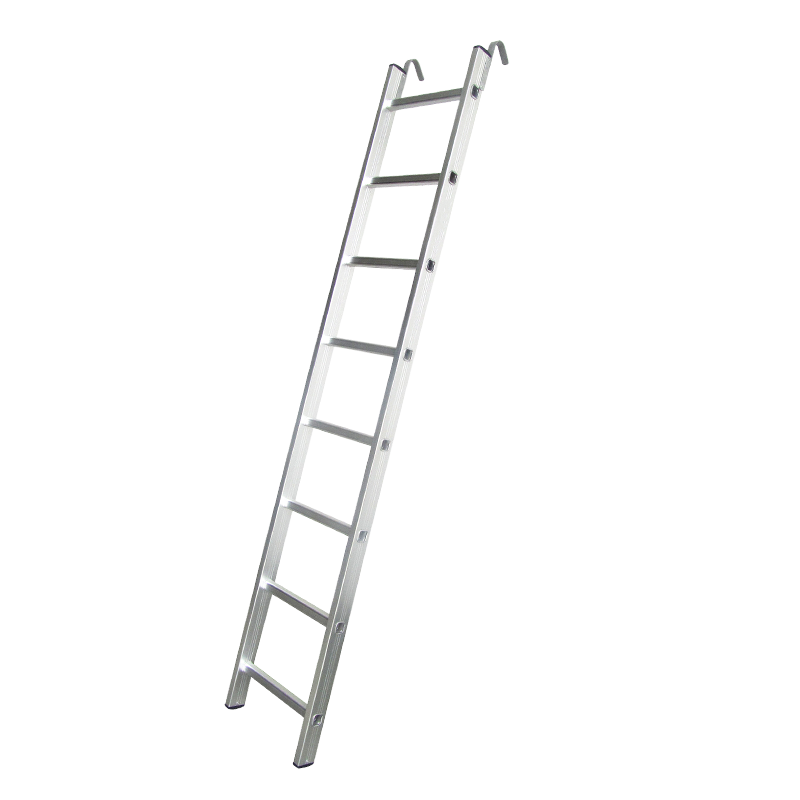
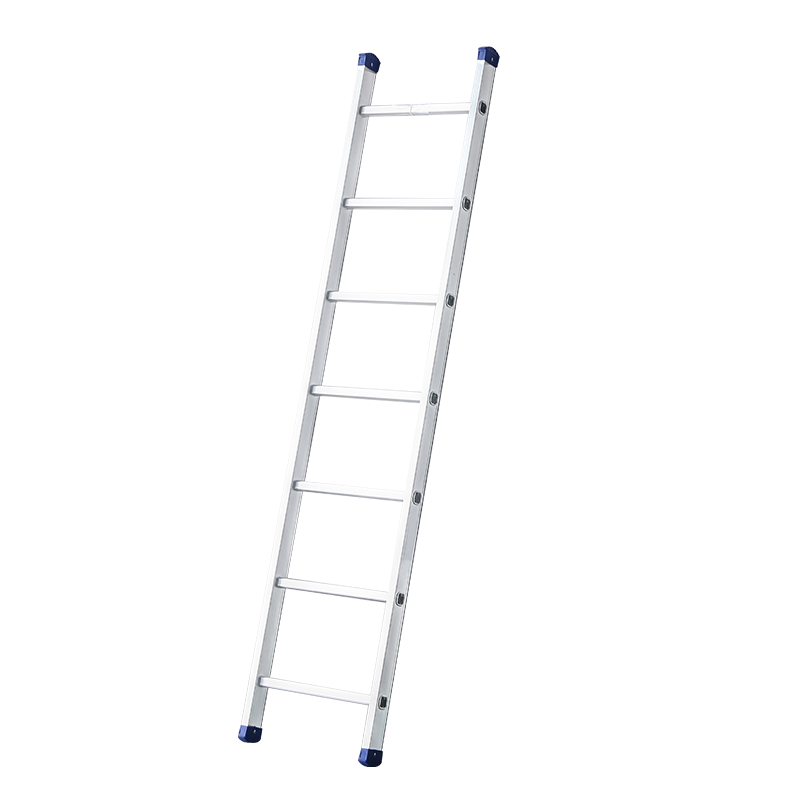
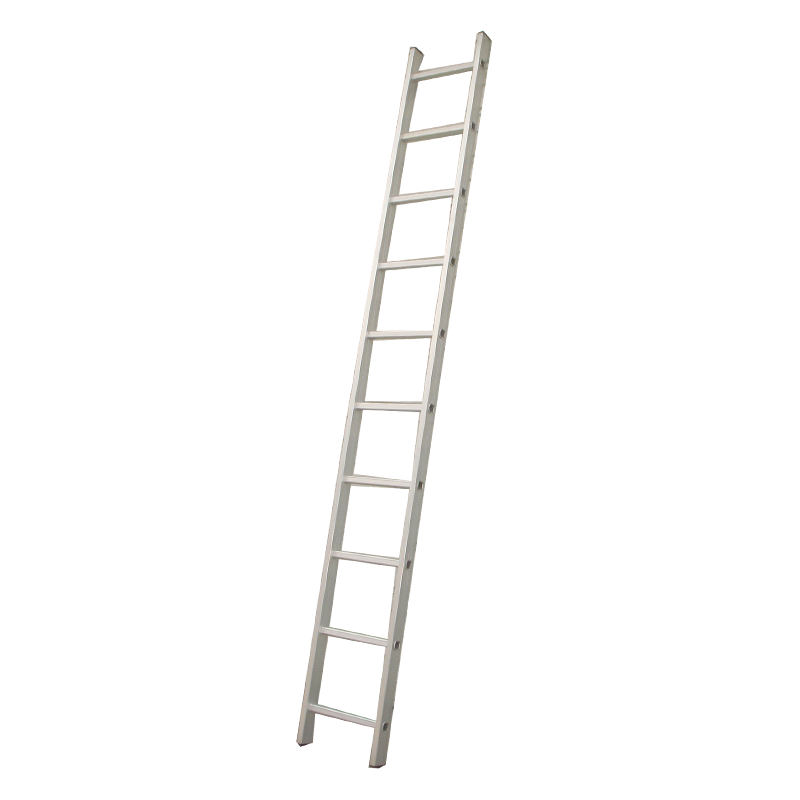
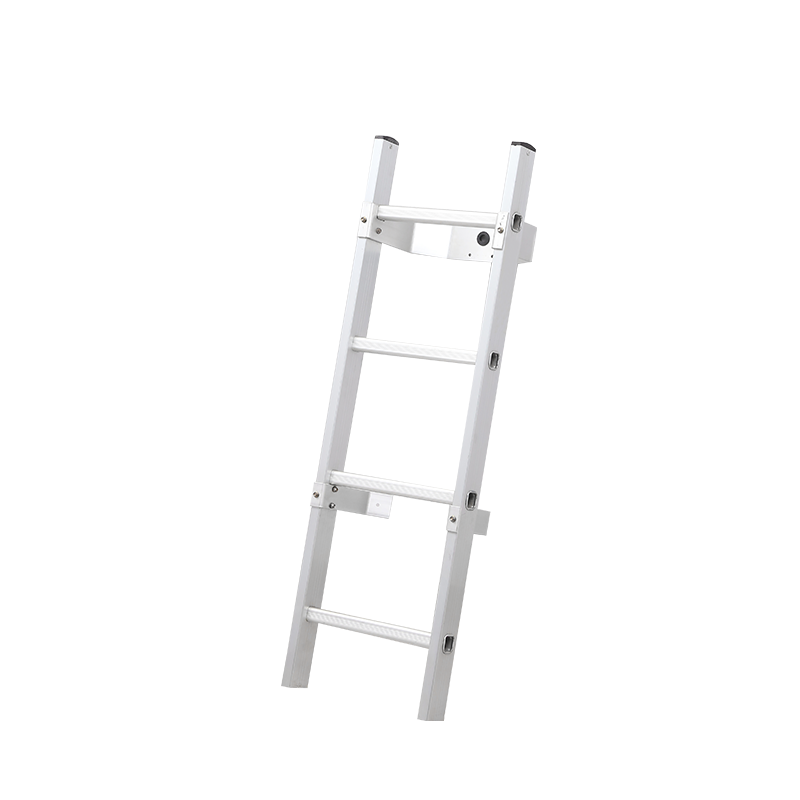
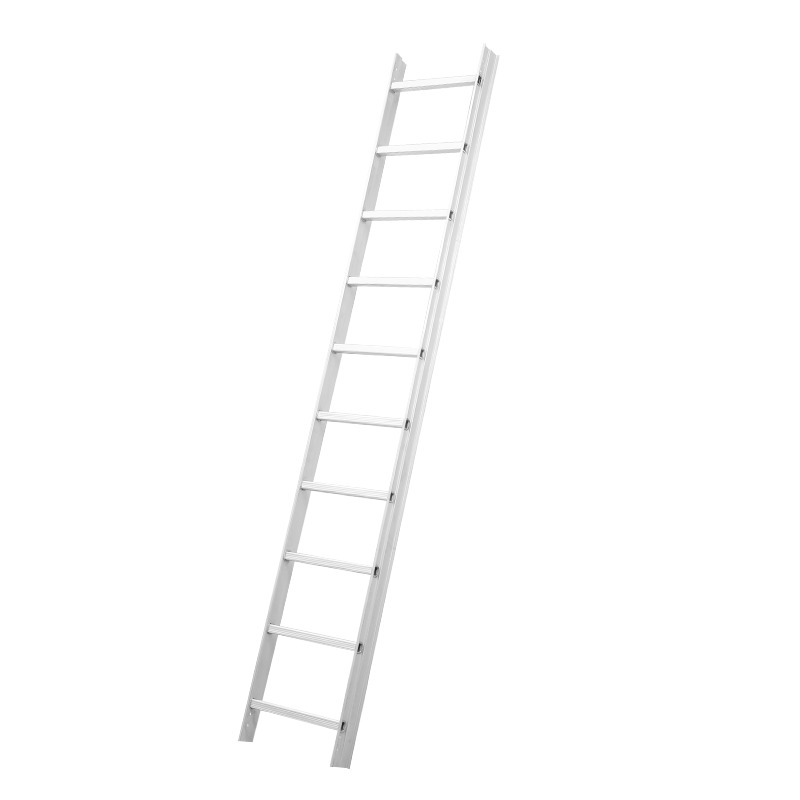
Across homes, workshops, retail spaces, and various job sites, the foldable step ladder has established itself as a fundamental tool for achieving safe, temporary elevation. Distinguished by its self-supporting A-frame design and hinged construction that allows for compact storage, the foldable step ladder offers a unique combination of stability, portability, and space efficiency. Its sustained popularity underscores a widespread need for reliable, short-height access that balances user safety with practical storage considerations.
The defining characteristic of a foldable step ladder is its ability to be opened into a freestanding, inverted-V shape and then folded flat. Unlike straight ladders that require leaning against a support, a foldable step ladder provides its own stable base, making it ideal for use in the middle of a room or away from walls. This freestanding capability is a key safety feature. The folding mechanism typically involves metal hinges and spreader bars that lock securely in the open position. When the task is complete, releasing the locks allows the foldable step ladder to collapse into a slim profile, enabling easy transport and convenient storage in closets, behind doors, or in vehicle trunks.
The applications for a foldable step ladder are extensive and routine. In domestic settings, it is the preferred tool for changing light bulbs, accessing high kitchen cabinets, painting walls and ceilings, cleaning windows, and performing minor home maintenance. Its stability makes it safer than using chairs or countertops. In commercial environments like libraries, stockrooms, and retail stores, employees use a foldable step ladder to reach inventory on upper shelves safely and efficiently. For professionals such as painters, electricians, and maintenance technicians, a sturdy, transportable foldable step ladder is a standard part of their mobile toolkit.
Safety engineering is paramount in the design of a modern foldable step ladder. Critical features include non-slip rubber feet to prevent sliding on smooth floors, serrated or textured steps for secure footing, and a locking spreader bar that automatically engages when the ladder is opened to its full position. Many models also incorporate a small platform or tray at the top for holding tools or paint cans, and some include handrails for added user confidence. The materials used—typically aluminum for its light weight and strength, or fiberglass for non-conductive properties in electrical work—are selected to support rated load capacities while ensuring durability.
The market offers a range of foldable step ladder options to suit different needs. These vary in height, from two-step models for basic reach to taller five or six-step ladders for more substantial tasks. Industrial-grade foldable step ladder products feature heavier-duty construction and higher weight ratings. Design variations also exist, with some ladders offering a foldable work platform or the ability to be configured in multiple positions, though the classic A-frame foldable step ladder remains the many common and trusted design for general use.
Innovation in the foldable step ladder category may focus on even lighter materials, enhanced non-slip technologies, and designs that offer improved ergonomics. However, the core value proposition of providing stable, self-supporting, and storable access will remain constant. As a tool that effectively bridges the gap between the floor and the overhead world, the foldable step ladder will continue to be a ubiquitous and trusted ally in everyday tasks, proving that thoughtful, simple design yields enduring utility.

 Need Any Us Help?

+86-18657955841
+86-13095886288

+86-0579-87775595


Sihou Village, Lvtan Town, Wuyi, Zhejiang, China
Copyright © 2023 Wuyi Dexin Industry & Trade Co., Ltd. All Rights Reserved.



 English
 中文简体
中文简体 Deutsch