In the critical arsenal of firefighting and emergency rescue equipment, the fire ladder remains a fundamental and indispensable tool. Designed to provide rapid access to elevated positions and facilitate safe egress, the fire ladder is a symbol of fire service capability, found on apparatus worldwide. Its evolution from simple wooden rungs to sophisticated, multi-purpose aluminum and fiberglass systems reflects a continuous pursuit of strength, versatility, and speed in life-saving operations.
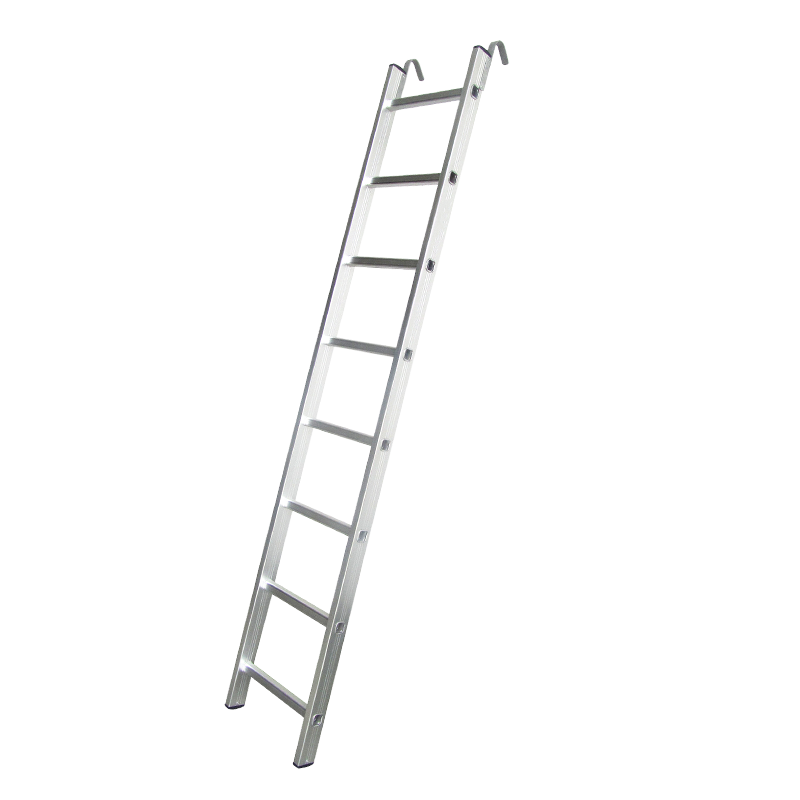
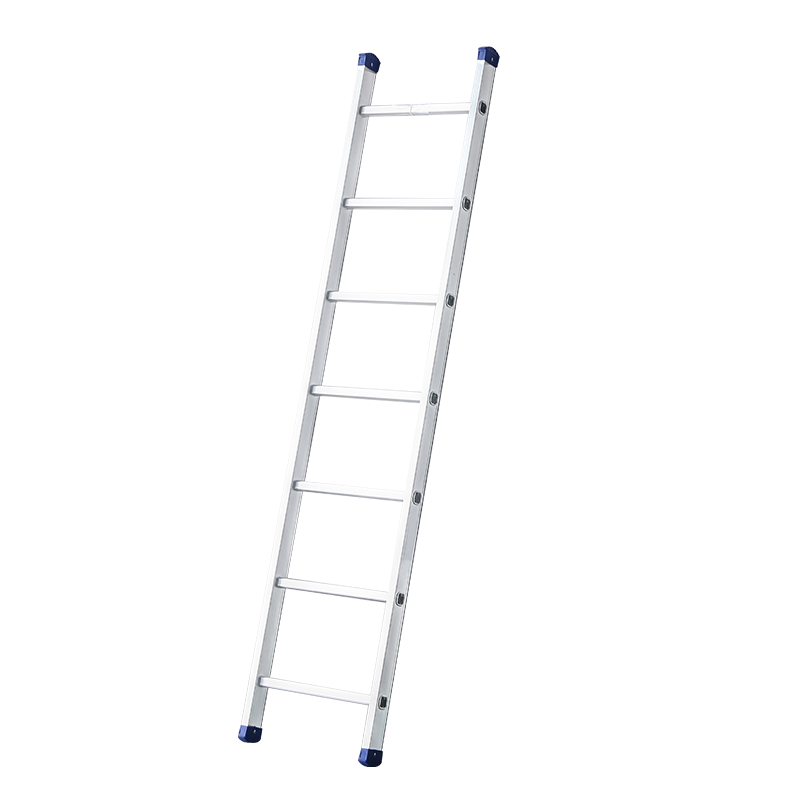
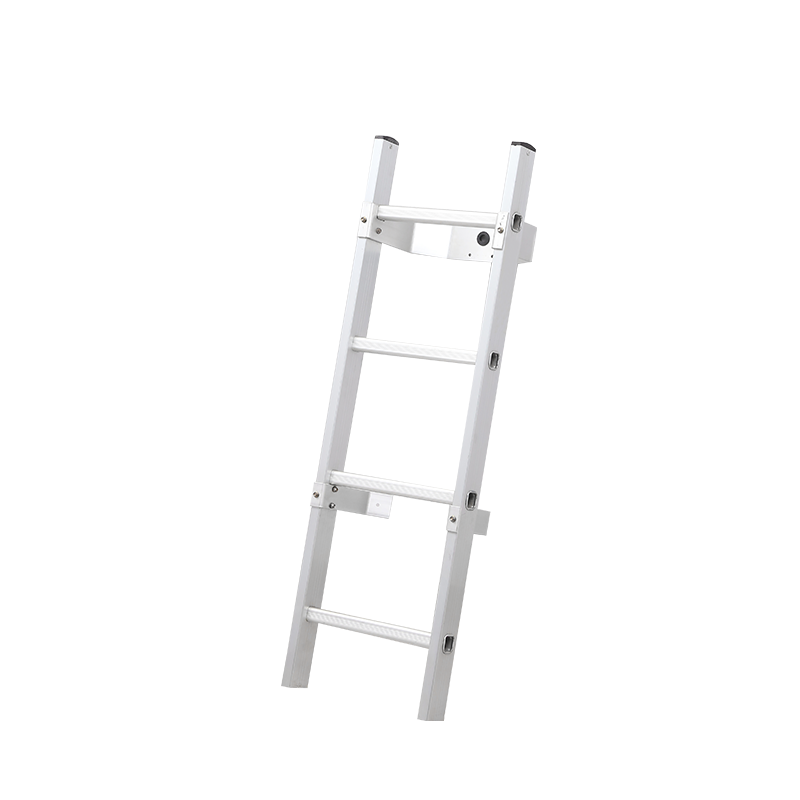
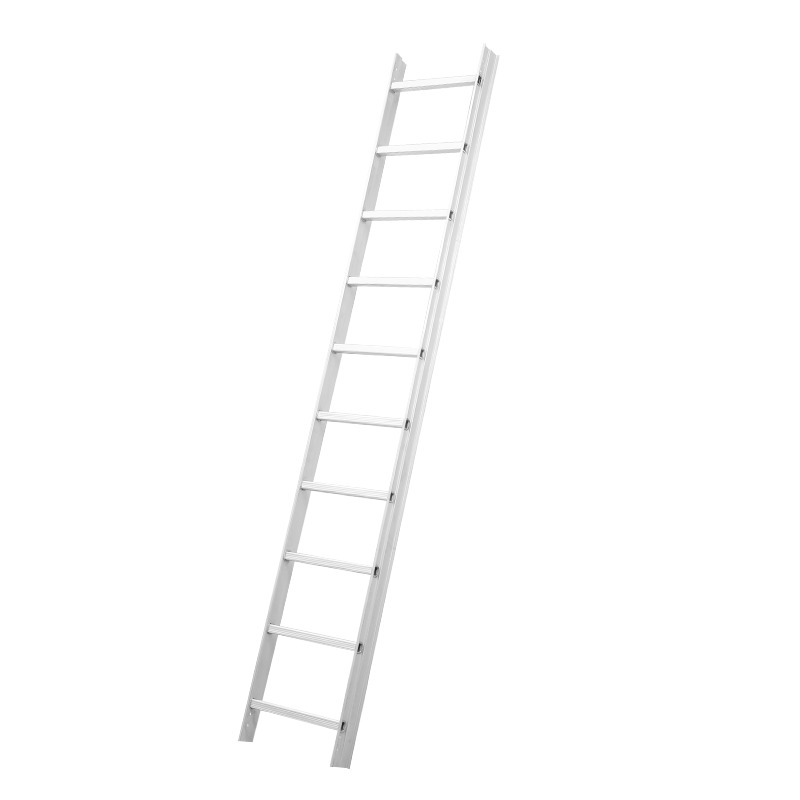
The primary function of a fire ladder is to overcome vertical obstacles. Firefighters deploy ladders to reach upper floors of buildings for search and rescue, ventilation, fire attack, and to provide an emergency escape route for occupants or crews. The types of fire ladder carried on fire apparatus are specialized for different tasks. Ground ladders include straight or extension ladders for reaching specific heights, roof ladders with hooks to secure to a peak, and folding attic ladders for confined spaces. Each fire ladder is engineered with a specific duty rating, indicating the up to load it is designed to support under operational conditions.
Material innovation has been central to the development of the modern fire ladder. Traditional heavy wood has been largely replaced by high-strength aluminum alloys and composite materials like fiberglass. Aluminum offers an outstanding strength-to-weight ratio, allowing for longer, more manageable ladders that can be raised and positioned more quickly. Fiberglass fire ladder products provide the added benefit of being non-conductive, a critical safety feature when working near downed power lines or other electrical hazards. These materials are rigorously tested to ensure they withstand heat exposure, impact, and repeated stress.
The design and features of a contemporary fire ladder are focused on operational efficiency and firefighter safety. Pawls and locks on extension ladders ensure secure placement at the desired height. Heat-sensor labels can indicate when a fire ladder has been exposed to excessive temperatures that might compromise its integrity. Angled footpads or spur plates provide stability on various surfaces, and contrasting colors or reflective markings on the tips and rungs improve visibility in smoky or dark conditions. Proper maintenance, including regular inspection for cracks, corrosion, and loose components, is a mandatory protocol for every fire ladder in service.
Training in fire ladder operations is a core component of firefighter proficiency. This includes techniques for carrying, raising, extending, and securing ladders from various positions, often under simulated stressful conditions. The safe and rapid deployment of a fire ladder can make a significant difference in rescue outcomes, making this skill set non-negotiable. Furthermore, the fire ladder serves a role in public fire safety education, representing a potential means of escape that residents should consider in their home safety planning.
The future of the fire ladder will involve incremental improvements in materials for even greater strength and lighter weight, and perhaps integration with technology for status monitoring. However, its fundamental principle—a portable, mechanical means of vertical access—is timeless. As long as fires occur in multi-story buildings and emergencies require access above ground level, the fire ladder will stand as a primary, reliable tool. It embodies the fire service's readiness to reach those in need, anywhere, proving that some of the many effective solutions are those refined over time but rooted in essential, straightforward design.

 Need Any Us Help?

+86-18657955841
+86-13095886288

+86-0579-87775595


Sihou Village, Lvtan Town, Wuyi, Zhejiang, China
Copyright © 2023 Wuyi Dexin Industry & Trade Co., Ltd. All Rights Reserved.



 English
 中文简体
中文简体 Deutsch