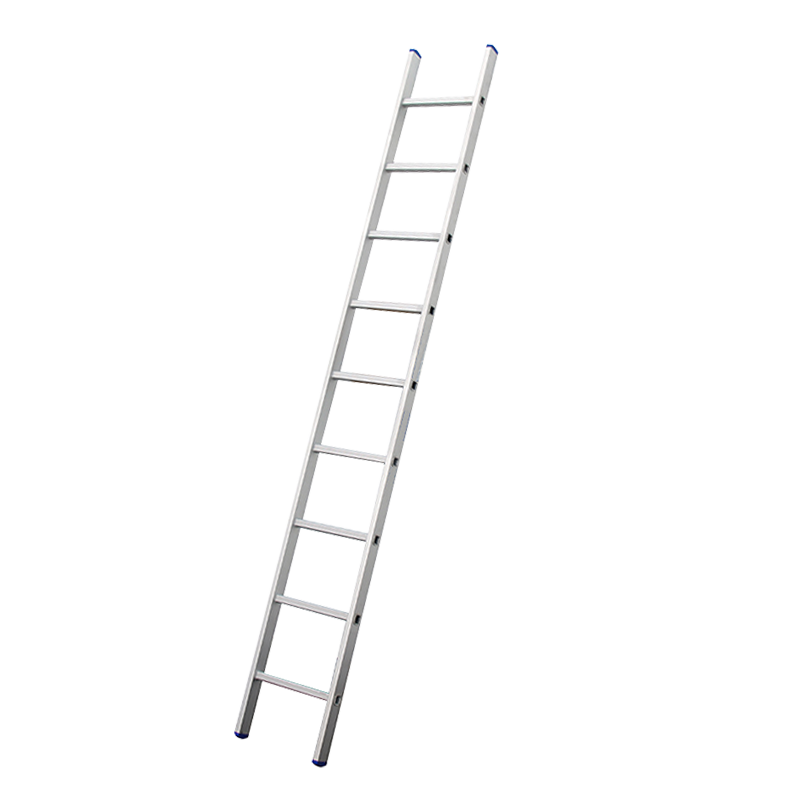
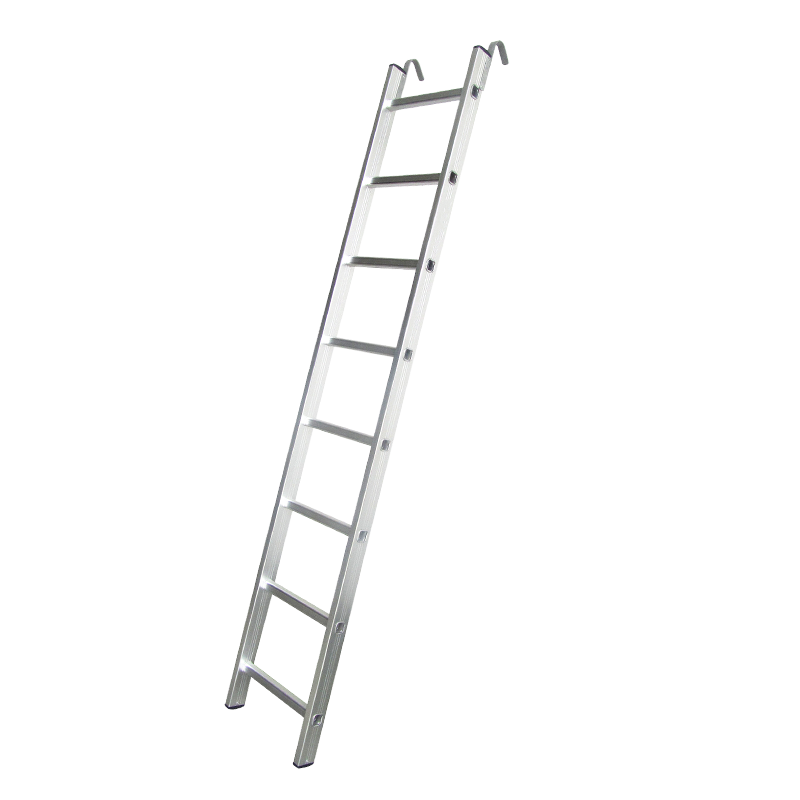
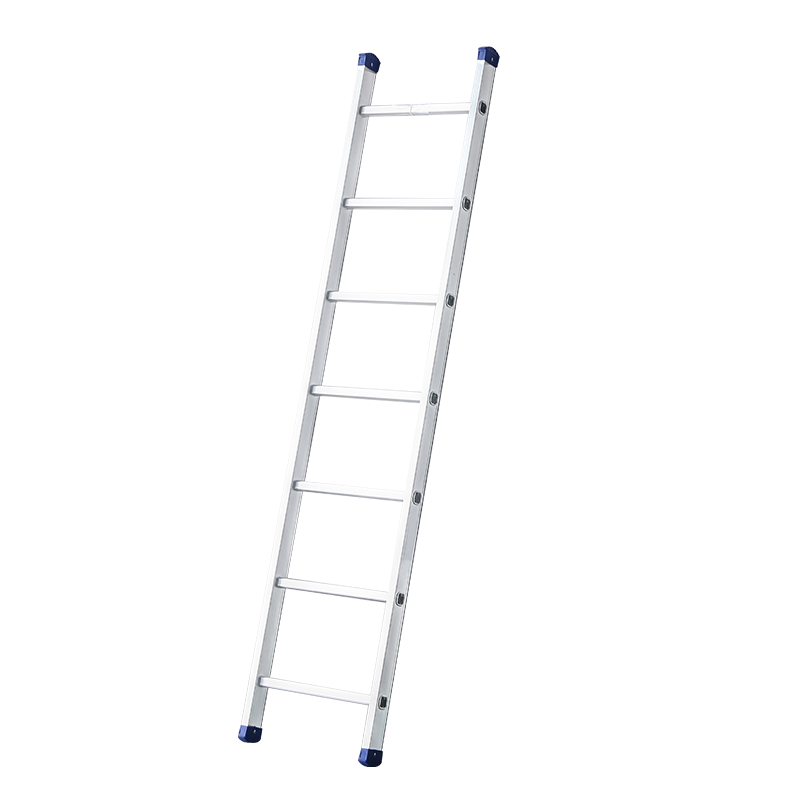
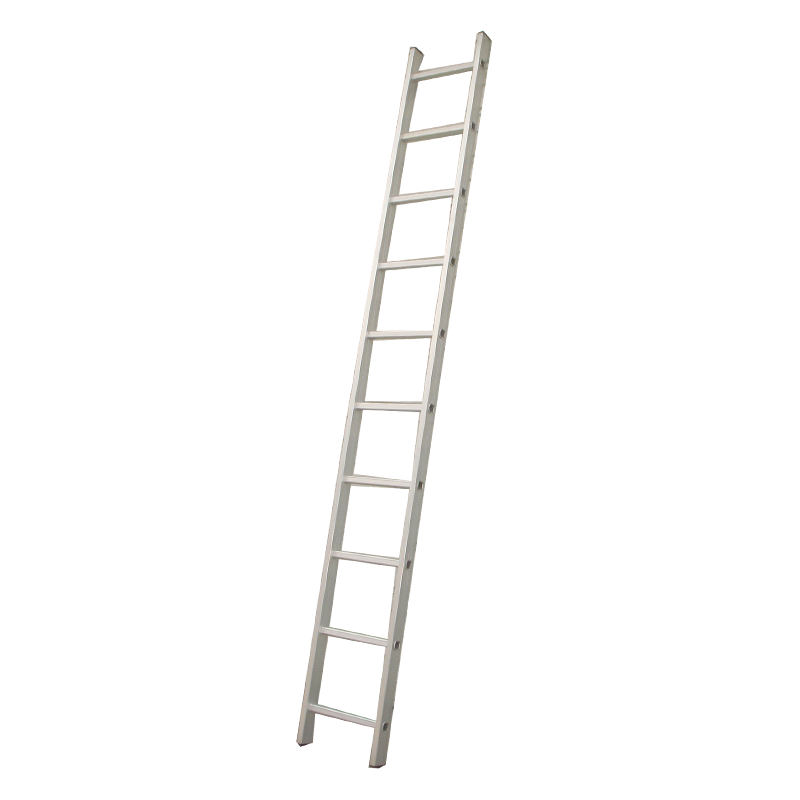
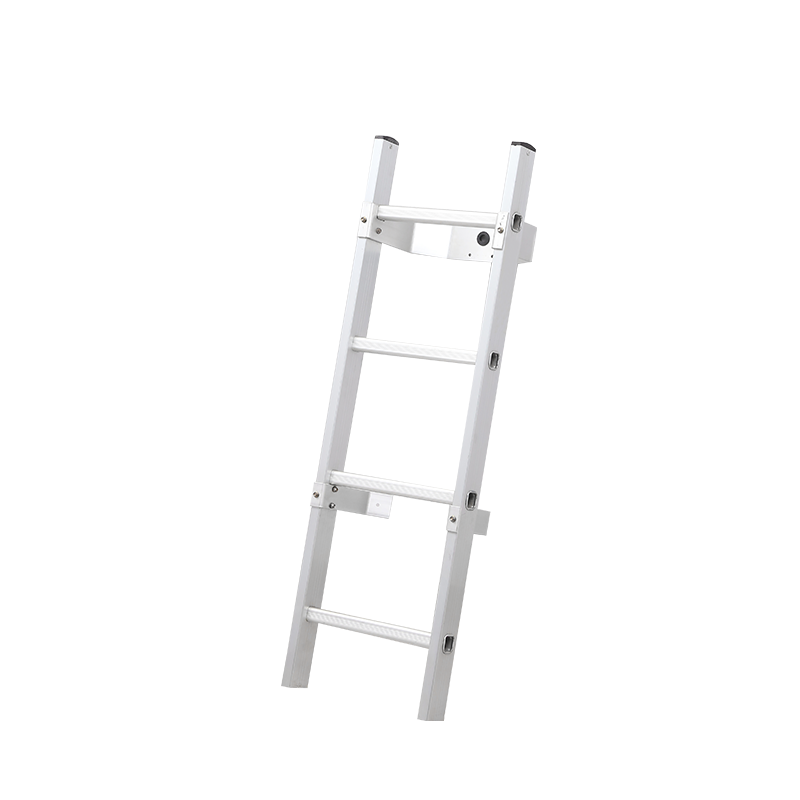
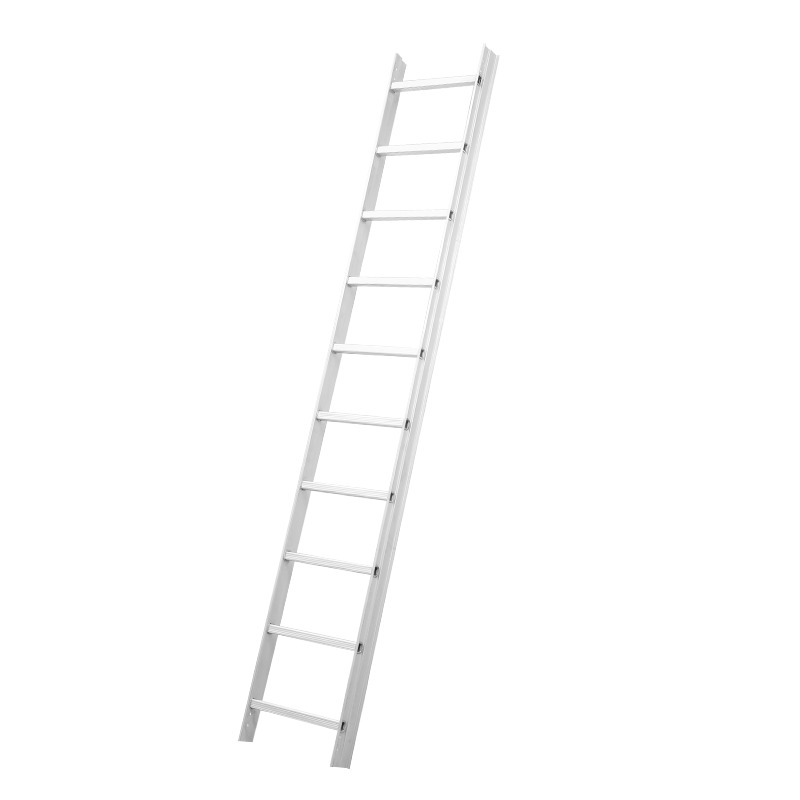
In an age of complex machinery and digital solutions, the single ladder remains an indispensable and ubiquitous tool across countless settings. Its simple, portable design continues to provide essential access for tasks ranging from household maintenance to professional construction, proving that straightforward engineering retains significant value.
A single ladder, characterized by its single section of fixed length with rungs between two side rails, is defined by its core attributes of simplicity and immediate utility. Unlike extension ladders, it does not adjust in length, offering a stable, one-piece structure that is quick to deploy. This makes the single ladder the tool of choice for a vast array of routine jobs: changing a light bulb, accessing shelves in a warehouse, painting interior walls, or cleaning gutters on a single-story home. Its presence is a constant in hardware stores, maintenance closets, and job sites globally.
The fundamental appeal of the single ladder lies in its user-friendly operation and relative safety when used correctly. There are no locking mechanisms to adjust or sections to extend; a user simply positions it at an appropriate angle against a stable surface. Modern safety standards have further refined its design. Features like wide-flared bases for better stability, slip-resistant rubber feet for secure contact on various surfaces, and textured rungs for improved grip are now commonplace. Many models also include a top platform that provides a secure area to hold tools or offer a momentary rest, enhancing its functional safety.
Material innovation has steadily improved the performance and durability of the single ladder. While wood offers traditional appeal and electrical non-conductivity, aluminum has become a dominant material due to its favorable strength-to-weight ratio, resistance to weathering, and overall lightness for easy transport. Fiberglass is another key material, prized for its combination of strength and non-conductive properties, making it a preferred single ladder for electrical work or use near power lines. These material choices ensure the tool can withstand rigorous daily use in diverse environments.
The market for a single ladder is segmented by both material and duty rating, which indicates the up to load capacity it is designed to support. Light-duty models suffice for typical household chores, while industrial-grade single ladder products are built for demanding commercial and construction applications. This system allows consumers and procurement managers to select a single ladder precisely matched to its intended use, promoting safety and longevity.
Despite its simplicity, the single ladder is subject to important usage protocols that underscore its role in workplace and home safety. Experts consistently emphasize the need to inspect a single ladder before use, checking for structural damage or loose components. Proper positioning—ensuring it is on firm, level ground and not placed on unstable bases—is fundamental. These guidelines highlight that the tool’s safety is a partnership between sound product design and informed user practice.
The single ladder exemplifies how a timeless design can persist through technological change. Its uncomplicated form provides reliable service, fulfilling a basic human need to safely reach above the ground. As long as there are ceilings to paint, lights to change, and items to retrieve, the single ladder will continue to stand as a fundamental piece of equipment, a testament to the enduring power of practical, accessible design.

 Need Any Us Help?

+86-18657955841
+86-13095886288

+86-0579-87775595


Sihou Village, Lvtan Town, Wuyi, Zhejiang, China
Copyright © 2023 Wuyi Dexin Industry & Trade Co., Ltd. All Rights Reserved.



 English
 中文简体
中文简体 Deutsch